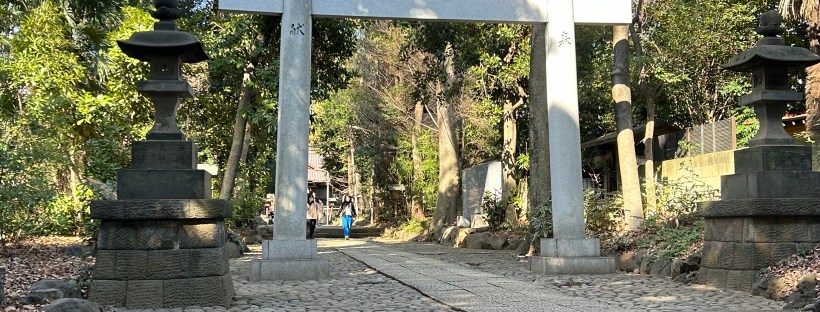
Yoyogi Hachiman Shrine sits on a small wooded hill next to Yamate-dori, one of Tokyo’s famed ring roads, just a short walk from Yoyogi Park and an even shorter walk from the shrine’s namesake train station on the Odakyu Line.
The shrine was founded in 1212, dedicated to Hachiman, a deification of the Emperor Ojin (201-312) and the guardian god of warriors. This was just twenty years into the Kamakura Shogunate (1192-1333) founded by Minamoto Yoritomo (1147-1199), who also regarded Hachiman as a special guardian of family (sadly, his last surviving dependent died in 1219, but that’s a story for another day).
Like many Shinto shrines, Yoyogi Hachiman Shrine was situated in accordance with feng shui principles: on a rise, fronted by water (the Shibuya River, a small tributary of the Meguro River, once ran along the foot of the hill). It is this situation that also makes it a power spot, and it is said to be one of the most popular in Tokyo.

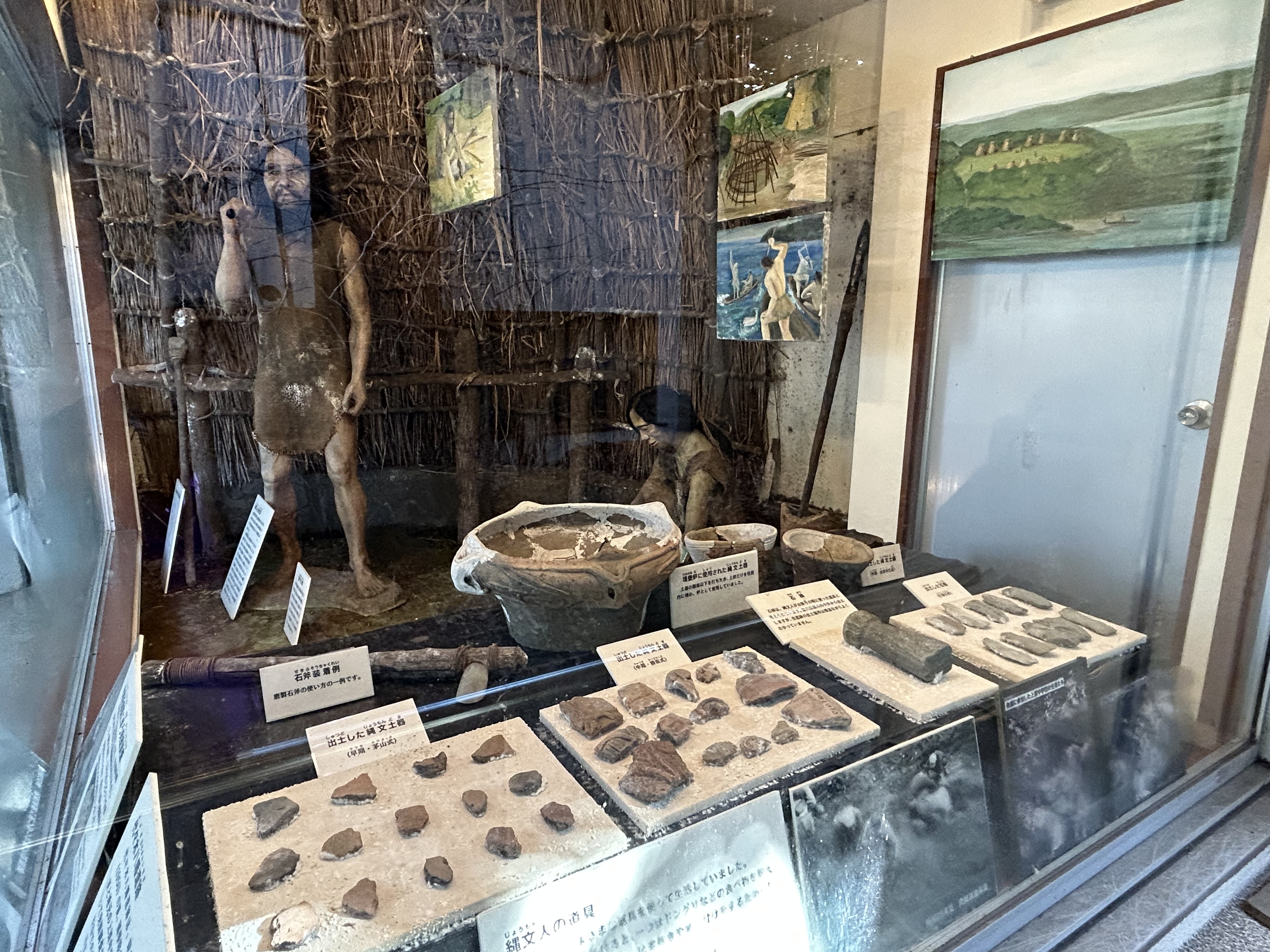
While the thirteenth century founders of the shrine understood the “power” of this site, it turns out that even prehistoric people recognized the positive energy of the location. In 1950, during excavations on the shrine grounds, artifacts were found indicating that 4,500 years ago the shrine grounds was the site of a Jomon Period (14,000-300BCE) settlement.
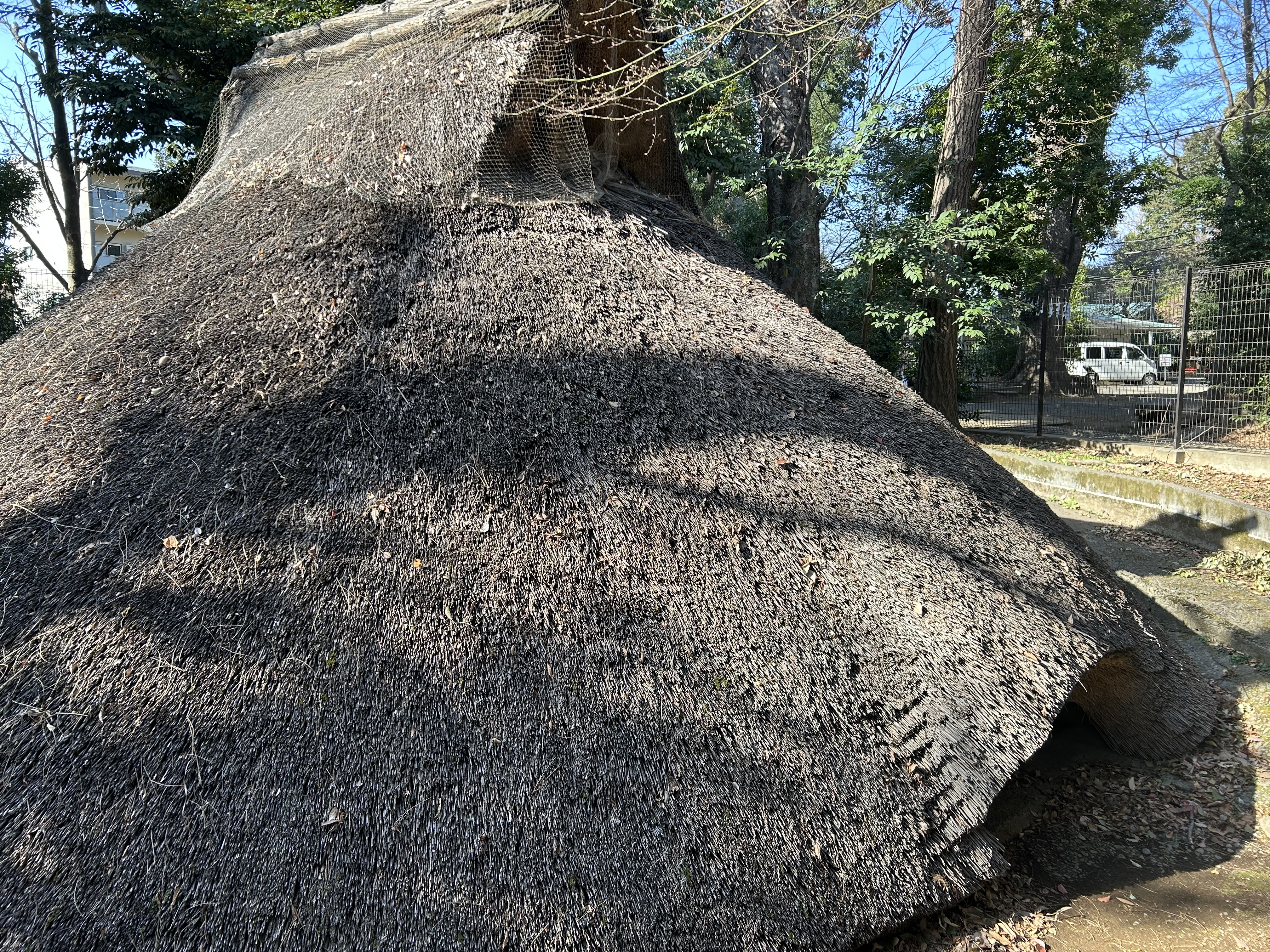
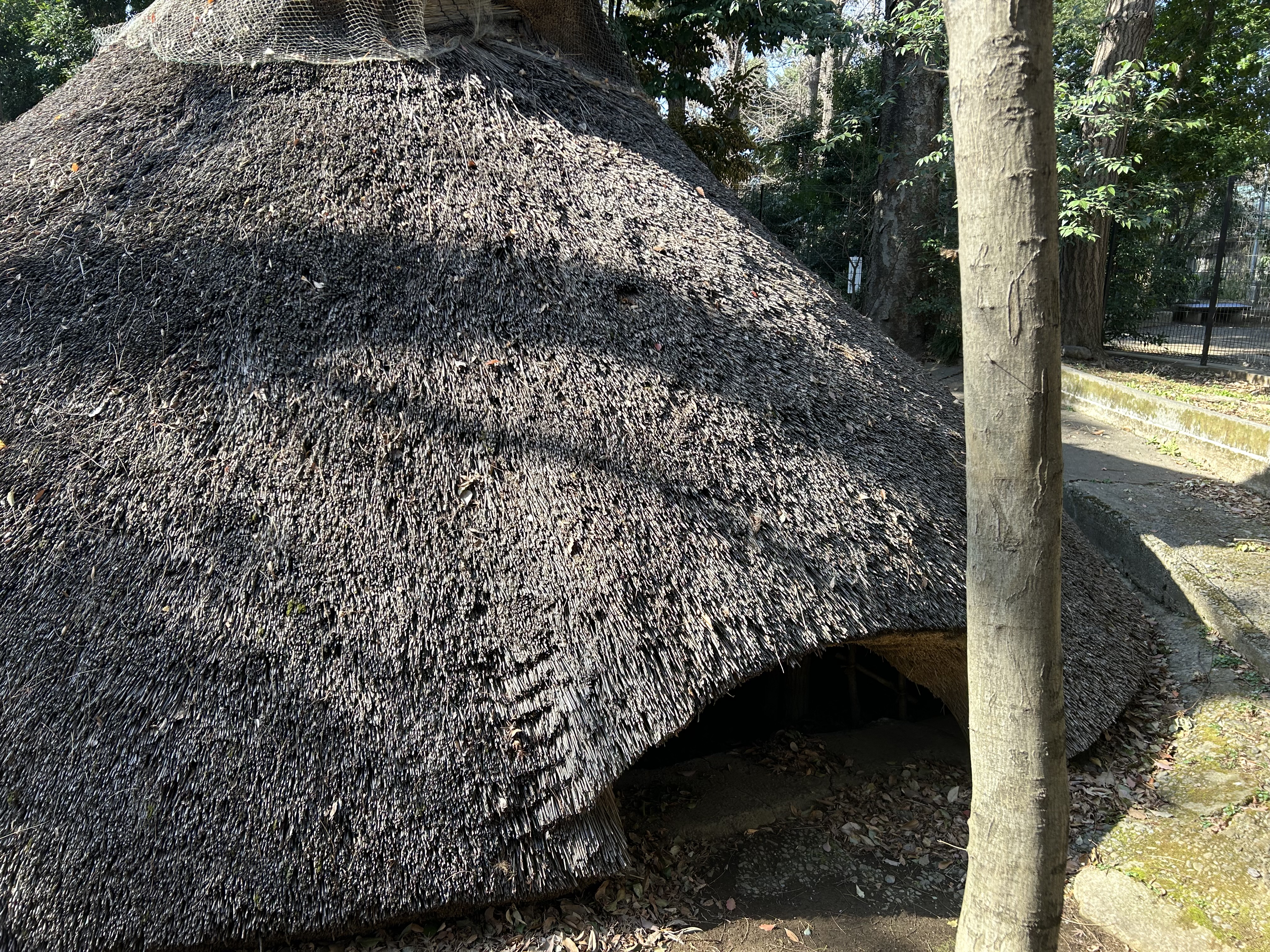
There is a replica Jomon Period pit house on the crest of the hill and a small display behind glass of some of the artifacts like potsherds and stone axe heads recovered during the excavation to help visitors to the shrine ground appreciate this ancient history.

The shrine itself is an attractive traditional shrine structure, accessed by ascending stone stairs from Yamate-dori, proceeding under a stone torii shrine gate and along a straight, tree-lined approach. It is flanked by Koma-inu guardian lion-dog statues and stone lanterns. It is said that from the time of its establishment, warriors and especially their leaders, have prayed at this shrine before going into battle.


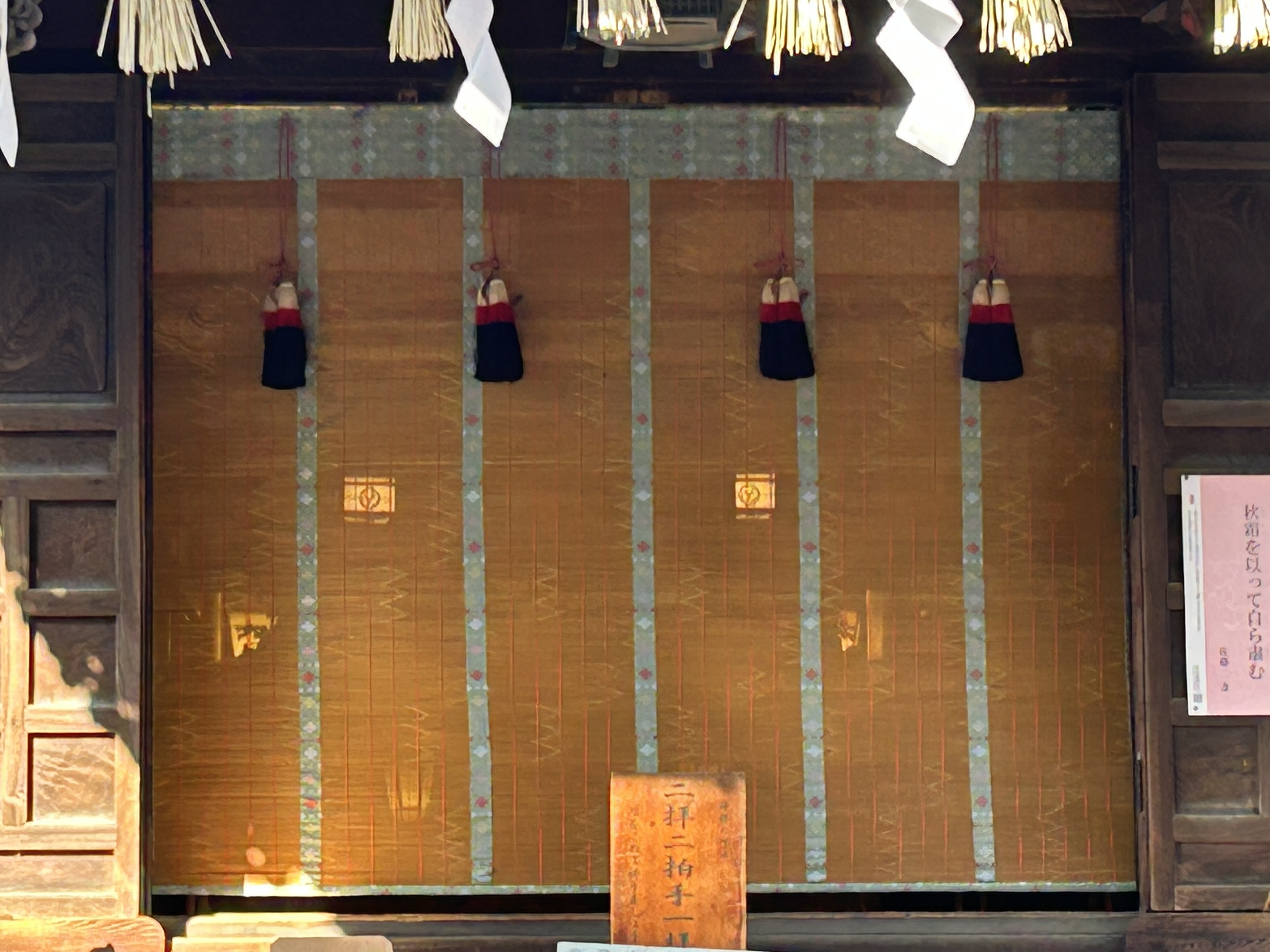
To the right of the main shrine stands a small Inari shrine, dedicated to ensuring a good harvest, perhaps an historical nod to the fact that even into the 20th century this neighborhood was still predominately farmland. A bit further on is a Noh stage and a storehouse for the portable shrine used to transport the god of the shrine around the neighborhood during festivals.
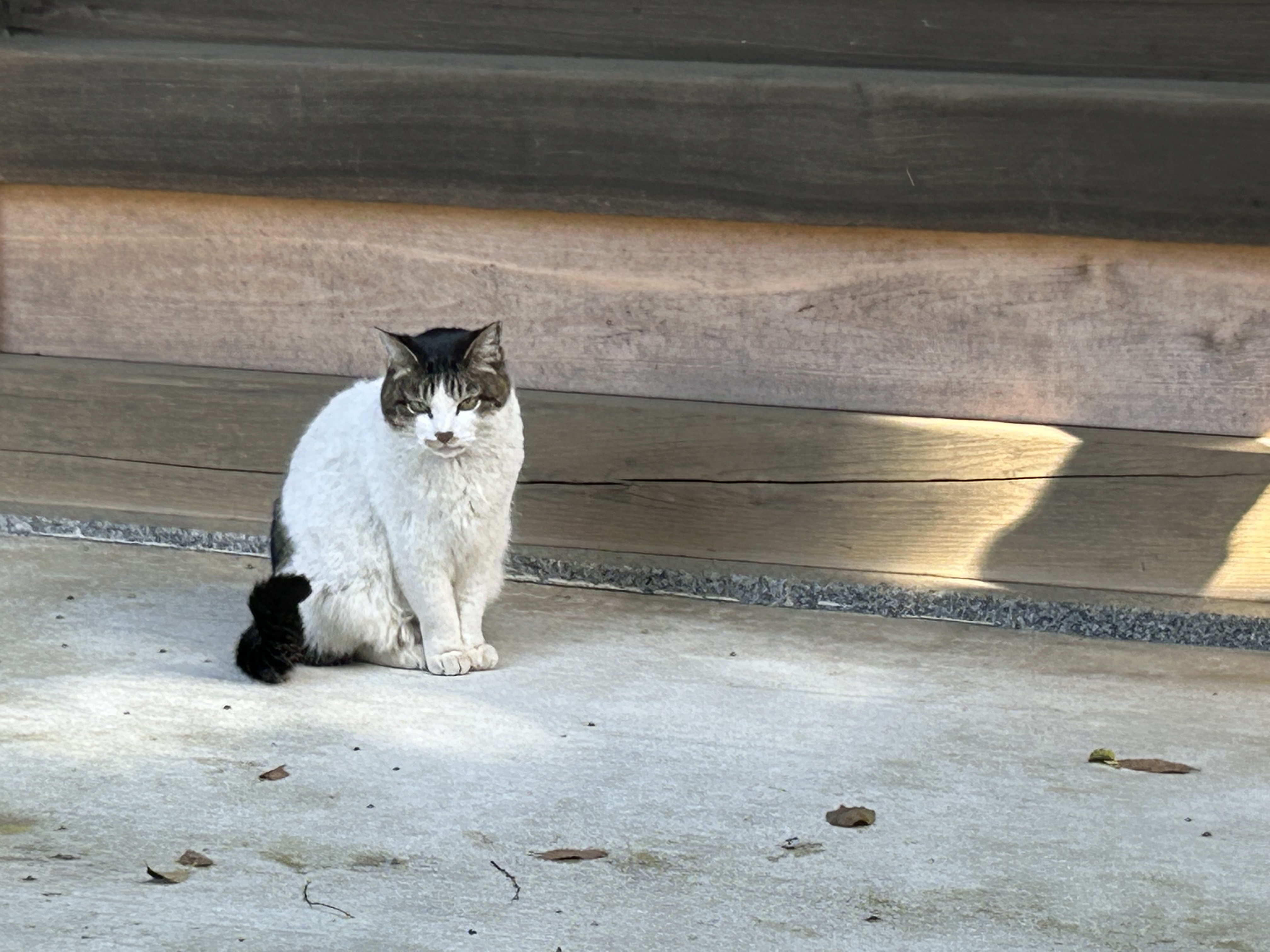
Ema votive plaques containing prayers and hanging on designated racks are a common sight on shrine grounds. They are often decorated with images that have special significance to that particular shrine. At Yoyogi Hachiman Shrine, the ema depict a white cat with black spots. Curiously, such a cat appears to be in residence on the shrine ground. Maybe it is particularly popular with the shrine attendants or the principal patrons of the shrine.



This pleasant little shrine is quite a dip into history. It can be easily combined with a trip to Yoyogi Park or, for something a little more substantial, considering continuing on to the Komaba area, about 20 minutes’ walk south.
© 2023 Jigsaw-japan.com and Vicki L. Beyer
We’re thrilled if you share this link; if you want to re-use in any other way, please request permission.
 Jigsaw Japan
One thought on “Yoyogi Hachiman Shrine: sacred hilltop with prehistoric roots”