I recently enjoyed a lesson in yabusame, Japan's traditional horseback archery. What an interesting sport! What fun! Read about it in this article in All About Japan.
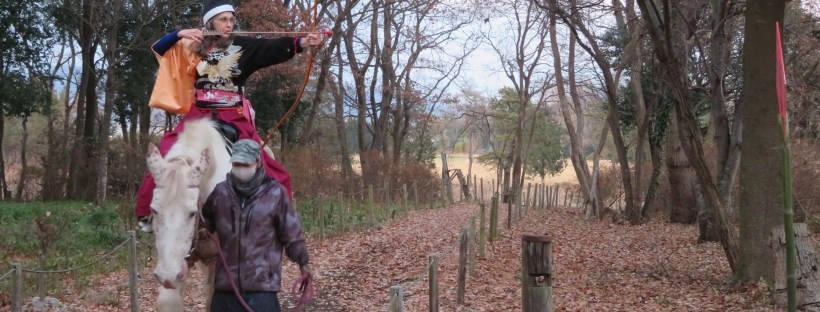
I recently enjoyed a lesson in yabusame, Japan's traditional horseback archery. What an interesting sport! What fun! Read about it in this article in All About Japan.
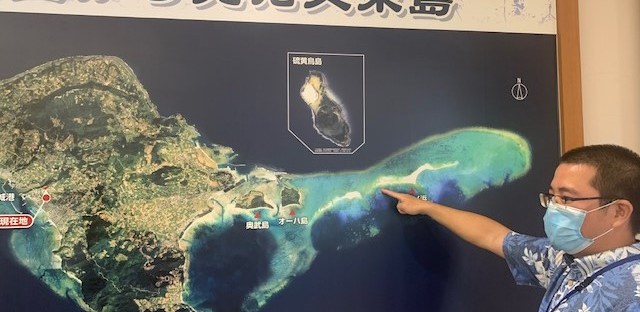
"I caution all masters of vessels to give a good berth to the Loo Choo Islands, as several coral reefs are now known to exist, and I suspect many more whose places are not noted in any charts." So wrote Captain William J.S. Clark (some sources say "Clarke"), master of the Elizabeth and Henry, from Shanghai on 20 … Continue reading Kumejima’s Hate-no-hama: site of a 19th century shipwreck
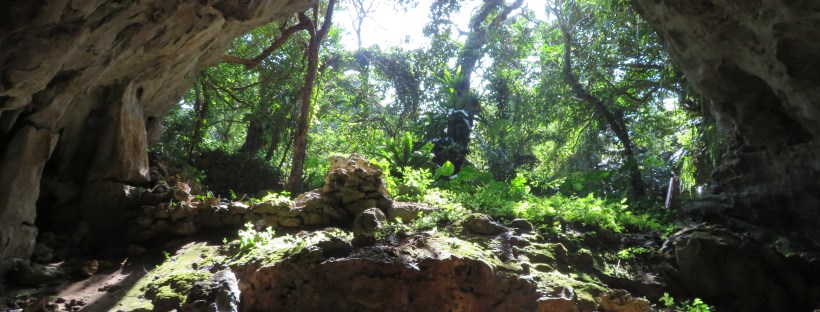
Okinawa, Japan's 47th prefecture, is different and distinctive from the Japanese mainland in myriad ways relating to its location and geology as well as its people and their unique cultural history. A surprising place to explore some of those differences is Yajiyagama Cave on Kumejima island, about 100 kilometers west of Naha. Yajiyagama, once the … Continue reading Yajiyagama Cave: telling geologic time and human history

Not long ago when speaking to a friend in Korea I mentioned that I was going to be visiting Ibaraki Prefecture for a few days. "Oh," she exclaimed. "You'll eat well. Ibaraki is famous for good food." Indeed, I soon discovered that one eats very well in Ibaraki. Famous Fish: Ayu and Anko My first … Continue reading Eating well in Ibaraki
The eleventh anniversary of the triple disaster in Tohoku is soon, making this look at the hard-hit Rikuzen Coast timely. The scars of the disaster are everywhere, but this is still a good spot to visit. (Archived article – Originally published by Japan Today.)
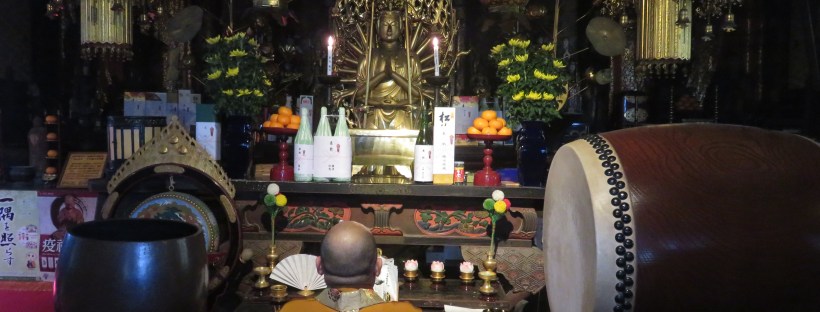
Mizusawa-dera is nestled in the foothills above the Gunma town of Shibukawa. The temple is known for its statue of Kannon, the Buddhist goddess of mercy. This statue has eleven heads and a thousand arms, so that she can hear all prayers and reach out to help those who need it. Although many of the … Continue reading Mizusawa-dera and the Kannon who rescued a princess

Not long ago I was commissioned to work on a major project to promote the island of Kyushu as a destination. I was asked to write fairly long pieces on each of several themes, largely to provide background information to spark interest. Those pieces, listed below, are now an information resource called the Kyushu Online … Continue reading Kyushu Online Media Center: Stories
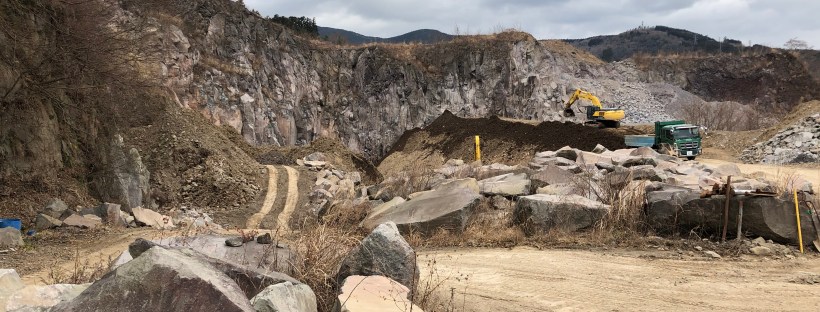
Manazuru is a small seaside community in Kanagawa Prefecture. Many travelers from Tokyo bound for Atami or the Izu Peninsula pass along its picturesque coastline, but neglect to stop. Until recently, I was guilty of the same neglect. But now I have had the chance to learn a bit more about the place. Like many … Continue reading Mining and ministrations in Manazuru

During my last visit to Kumamoto Prefecture, I spent a bit of time acquiring some samurai skills, an experience I shared in this article in All About Japan.

Traditionally, sake is brewed in winter. This isn't just because the process begins shortly after rice is harvested. Rather, it's because the fermentation process works best at constant cool temperatures (ie, below 15C). Perhaps for this reason, the Japan's snowy Tohoku region is thought to produce some of the best sake in the country. A … Continue reading Traditional sake brewing is best in winter
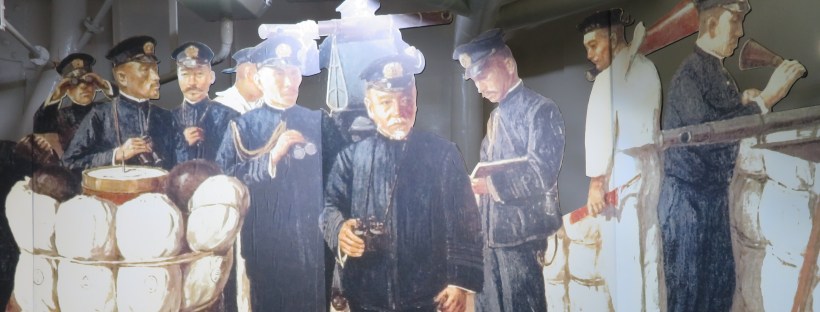
This article describes a couple of locations in and around Tokyo associated with Admiral Togo Heihachiro, a major figure of the Meiji Period and beyond. (Archived article – Originally published by Japan Today.)
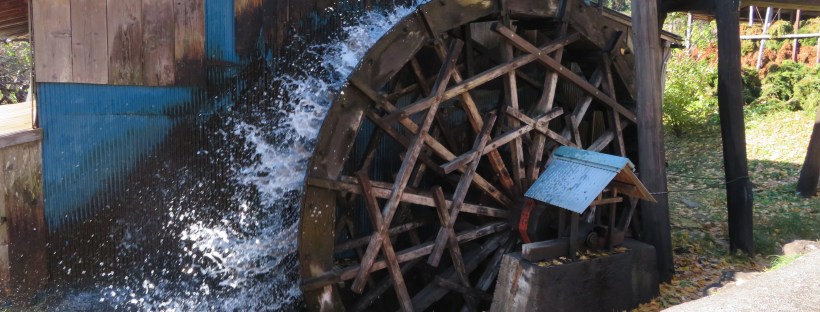
Visit any Japanese Buddhist temple, or any Japanese home that maintains a Buddhist altar and you are bound to encounter Japanese senko, sticks of incense lit and stood in the ash accumulated in the bottom of an incense burner. Incense is thought to purify the air and sharpen or attune the mind. Some people even … Continue reading Senko Incense Produced Sustainably

