This Japan Today article introduces two festivals celebrating iris blooms in late May and early June. The festivals take place in close proximity, on either side of the Tone River. (Archived article in Japan Today)

This Japan Today article introduces two festivals celebrating iris blooms in late May and early June. The festivals take place in close proximity, on either side of the Tone River. (Archived article in Japan Today)

This article, originally published in Japan Today, provides readers with the information they need to make a visit to an Ibaraki tea farm, touring the farm and its facilities and learning how to brew and taste the perfect cup of tea. This outing is a great day trip from Tokyo! (Archived article from Japan Today)
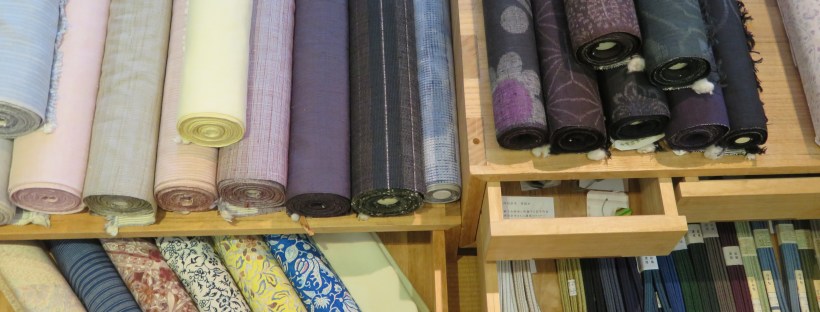
This article in All About Japan explains Japan's handicraft of homespun silk and how what was once the only silk fabric permitted to commoners has become a highly desirable luxury folk craft. (Archived article originally published in All About Japan)

Ibaraki's Kasama is a bit of a hidden treasure. Just a couple of hours from Tokyo, it is relatively unknown by foreign tourists, and even by most Japanese. Yet it offers many interesting sights and activities, especially at this time of year. Kasama hosts an annual azalea festival from mid-April to early May (in 2023, … Continue reading Kasama: abundant azaleas (and other delights)
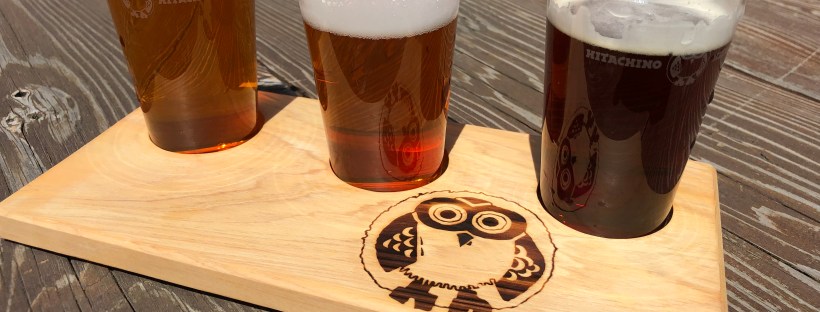
Craft beers have proliferated in Japan since the deregulation of beer production in the mid-1990s. One of the early leaders in micro-brewing is Kiuchi Brewery, an Ibaraki brewery that started making sake in 1823 and first produced beer in 1996. Kiuchi Brewery's beer is branded Hitachino Nest, with a cute little owl on the label. … Continue reading Hitachino Nest: The Happiness of Beer on a Hot Summer Day
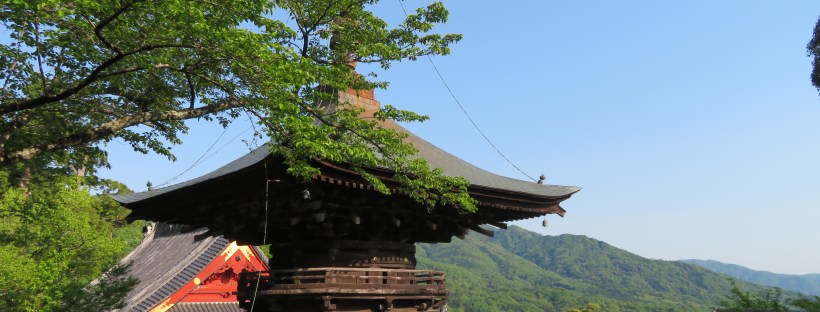
My July 2022 article for Japan Today introduces a pretty mountainside temple in northern Ibaraki prefecture that has long historical connections to the imperial line.(Archived article in Japan Today)

I recently had the chance to learn about Nishinouchi Washi, which is a particularly durable form of handmade washi paper. I also learned about some of its particular uses, included turning into cloth for garments and making chochin paper lanterns. Read about it in this article in All About Japan.
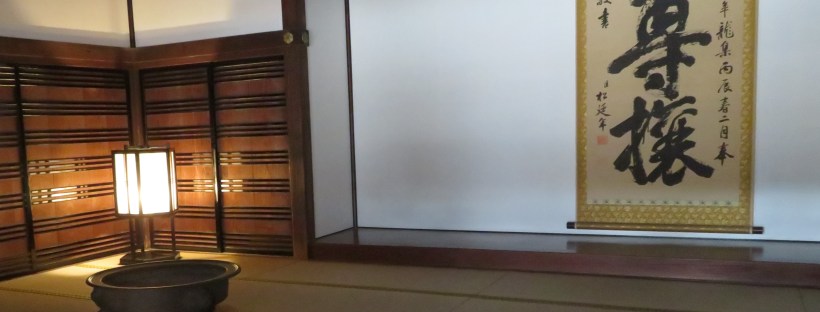
This article introduces the Mito school of samurai education and where to see its remnants today. (Archived article – Originally published by Japan Today)

In 1842, Tokugawa Nariaki (1800-1860), ninth lord of the Mito Domain (north and central part of modern day Ibaraki Prefecture) created a pleasure garden for the enjoyment of his people. His garden, situated on a hillside above Lake Senba, a natural lake forming a defensive boundary on one side of his capital city, was dubbed … Continue reading Kairakuen: Plum Perfect Pleasure
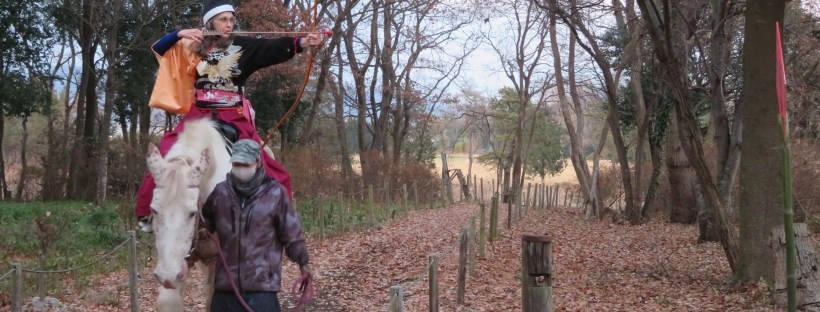
I recently enjoyed a lesson in yabusame, Japan's traditional horseback archery. What an interesting sport! What fun! Read about it in this article in All About Japan.

Not long ago when speaking to a friend in Korea I mentioned that I was going to be visiting Ibaraki Prefecture for a few days. "Oh," she exclaimed. "You'll eat well. Ibaraki is famous for good food." Indeed, I soon discovered that one eats very well in Ibaraki. Famous Fish: Ayu and Anko My first … Continue reading Eating well in Ibaraki
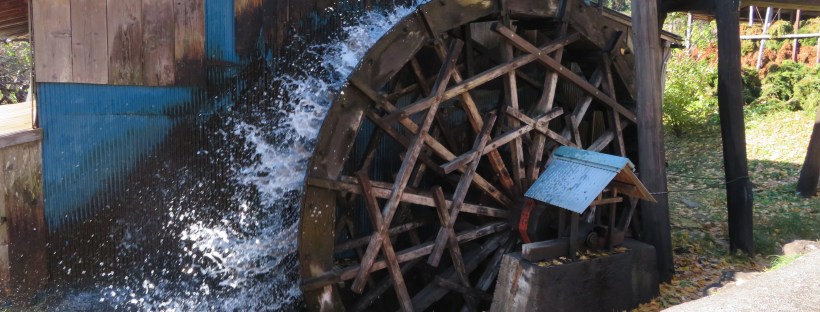
Visit any Japanese Buddhist temple, or any Japanese home that maintains a Buddhist altar and you are bound to encounter Japanese senko, sticks of incense lit and stood in the ash accumulated in the bottom of an incense burner. Incense is thought to purify the air and sharpen or attune the mind. Some people even … Continue reading Senko Incense Produced Sustainably
 Jigsaw Japan