In 1590 Japan was in turmoil. There had been civil wars raging intermittently for over a century as various warlords vied to take control and unify the country. Finally it had come down to three men: Oda Nobunaga, Toyotomi Hideyoshi and Tokugawa Ieyasu. After Nobunaga's death in 1582, Hideyoshi was best positioned to prevail and … Continue reading Odawara Castle: guarding the southwest approach to old Edo
A Matter of Survival: Artists seek to revitalize kogei amid decline in Japanese craft tradition
In July I moderated a panel discussion at the Foreign Correspondents' Club on Japanese traditional crafts and their struggle to survive and be relevant in our modern world. My summary of that session is in the September issue of Number 1 Shimbun.
Mukojima Hyakkaen Garden, a place to find every bloomin’ thing
A few years ago some friends from the U.S. visited around this time of year. They had a wonderful time in Japan, but observed that they managed to visit Japan during the only time of year when nothing is blooming. Of course, it's the end of summer and most flowers have probably withered away in … Continue reading Mukojima Hyakkaen Garden, a place to find every bloomin’ thing
Zuihoden: Honoring Sendai’s Date Daimyo
Sendai became the Tohoku region's premier city under Daimyo (feudal lord) Date Masamune (1567-1636) at the beginning of the Japan's historical Edo Period (1603-1867). Images of Date, and especially his iconic samurai helmet with its ornamental crescent moon, are ubiquitous across the city, which well remembers its founding father. Another way in which Sendai honors … Continue reading Zuihoden: Honoring Sendai’s Date Daimyo
5 Days Exploring Fukushima, Miyagi and Yamagata Prefectures with the JR East Pass
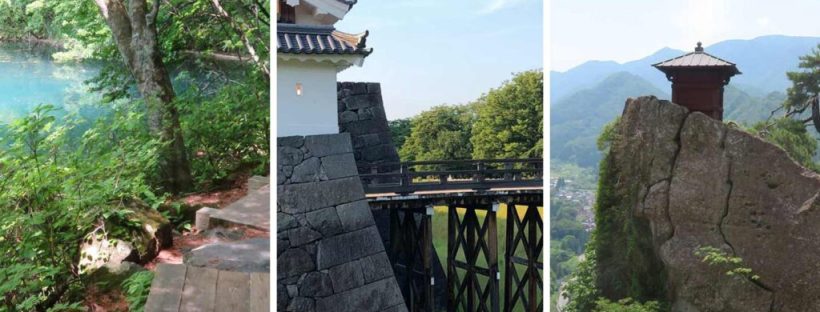
This article provides a fun and interesting five day itinerary for taking advantage of the incredible bargain of the JR East Pass while getting acquainted with the amazing diversity of the "lower" half of the Tohoku region. (Archived article; originally published in Gaijinpot)
Finding Meiji Modernization History in Tohoku
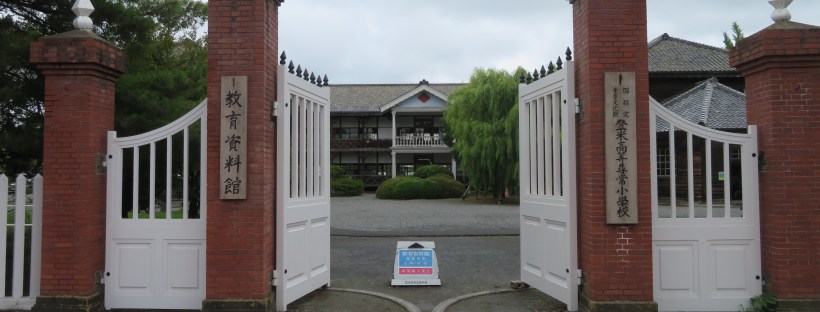
This article takes the theme of Japan's post-feudal modernization and goes in search of extant buildings across the Tohoku region that represent that modernization. (Archived article – Originally published by Japan Today.)
Marunouchi Street Park: An Urban Respite
Even in the most brutal heat of the Tokyo summer, the opportunity to sit outside relaxing in leafy shade is a welcome one. In Tokyo's Marunouchi business district, just a block from Tokyo Station is a leafy cobblestone street known as Marunouchi Nakadori (or just "Nakadori" to people who spend much time there). As the … Continue reading Marunouchi Street Park: An Urban Respite
Neputa vs. Nebuta: Aomori’s illuminated festival floats
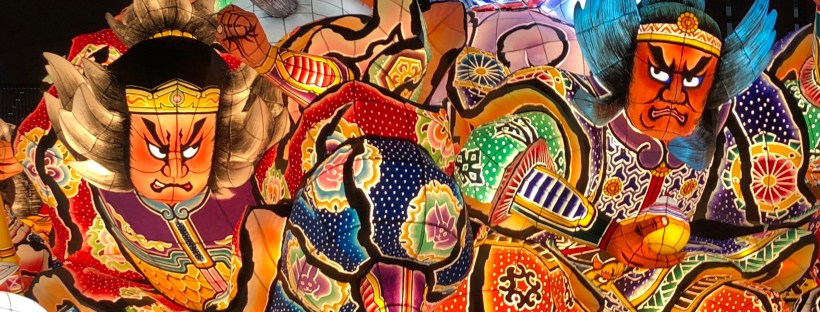
During these dog days of summer the stifling heat and heavy air makes most of us feel listless and even sleepy. Even farmers in the field feel it. In the area around Hirosaki, once the center of feudal government for the top end of Honshu island, common folk have, for centuries, had a late summer … Continue reading Neputa vs. Nebuta: Aomori’s illuminated festival floats
Shokokuji: The Mysteries of Zama’s Star Valley
Kannon, sometimes referred to as the Buddhist goddess of mercy, was introduced to Japan in the late sixth century, and many temples dedicated to Kannon can trace their origins back to the seventh or eighth centuries. Shokokuji, in Kanagawa's Zama city, is one such temple. It dates its origins to the Tenpyo Era (729-749) and … Continue reading Shokokuji: The Mysteries of Zama’s Star Valley
Staying Afloat in Tohoku: 5 Fun Boat Rides
This article describes five boat rides in the Tohoku region of Japan. Fun ways to see rivers, lakes and coastal formations--a different side of the area. (Archived article – Originally published by Gaijinpot.)
Minamisanriku: A Tohoku town triumphing over tragedy
This article looks at the Miyagi coastal town of Minami Sanriku, badly damaged by the 2011 tsunami, but surviving and thriving with lots of interesting things for tourists to see and do. (Archived article – Originally published by Japan Today.)
Celebrating the architectural wonders of Kuma Kengo
All eyes will be on the Japan National Stadium later today for the Olympics opening ceremony. The 68,000 capacity stadium, built especially for these Olympics, was opened in December 2019. It is the creation of favorite son architect Kuma Kengo. Kuma, who also teaches architecture, is especially known for the way in which his designs … Continue reading Celebrating the architectural wonders of Kuma Kengo