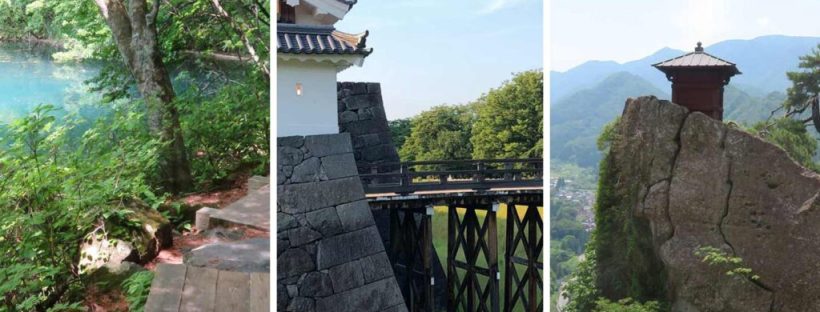
This article provides a fun and interesting five day itinerary for taking advantage of the incredible bargain of the JR East Pass while getting acquainted with the amazing diversity of the "lower" half of the Tohoku region. (Archived article; originally published in Gaijinpot)
Finding Meiji Modernization History in Tohoku
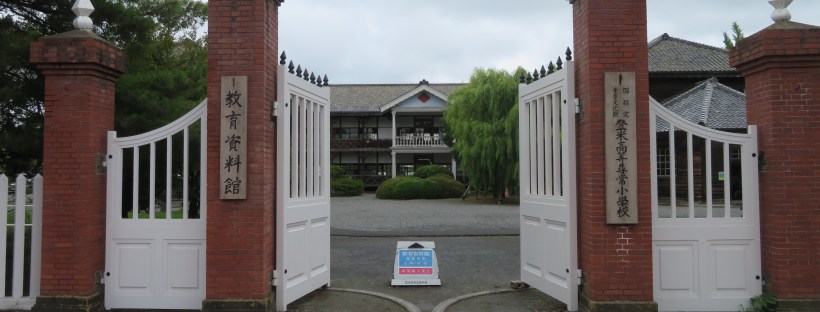
This article takes the theme of Japan's post-feudal modernization and goes in search of extant buildings across the Tohoku region that represent that modernization. (Archived article – Originally published by Japan Today.)
Marunouchi Street Park: An Urban Respite
Even in the most brutal heat of the Tokyo summer, the opportunity to sit outside relaxing in leafy shade is a welcome one. In Tokyo's Marunouchi business district, just a block from Tokyo Station is a leafy cobblestone street known as Marunouchi Nakadori (or just "Nakadori" to people who spend much time there). As the … Continue reading Marunouchi Street Park: An Urban Respite
Neputa vs. Nebuta: Aomori’s illuminated festival floats
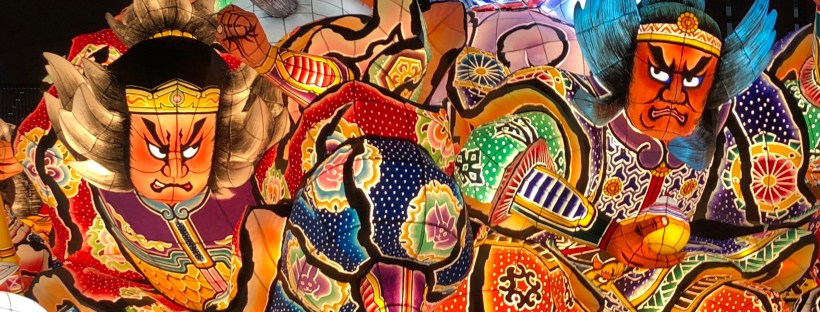
During these dog days of summer the stifling heat and heavy air makes most of us feel listless and even sleepy. Even farmers in the field feel it. In the area around Hirosaki, once the center of feudal government for the top end of Honshu island, common folk have, for centuries, had a late summer … Continue reading Neputa vs. Nebuta: Aomori’s illuminated festival floats
Shokokuji: The Mysteries of Zama’s Star Valley
Kannon, sometimes referred to as the Buddhist goddess of mercy, was introduced to Japan in the late sixth century, and many temples dedicated to Kannon can trace their origins back to the seventh or eighth centuries. Shokokuji, in Kanagawa's Zama city, is one such temple. It dates its origins to the Tenpyo Era (729-749) and … Continue reading Shokokuji: The Mysteries of Zama’s Star Valley
Staying Afloat in Tohoku: 5 Fun Boat Rides
This article describes five boat rides in the Tohoku region of Japan. Fun ways to see rivers, lakes and coastal formations--a different side of the area. (Archived article – Originally published by Gaijinpot.)
Minamisanriku: A Tohoku town triumphing over tragedy
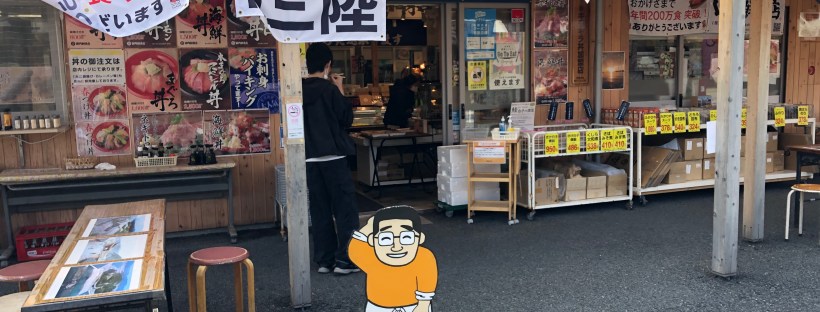
This article looks at the Miyagi coastal town of Minami Sanriku, badly damaged by the 2011 tsunami, but surviving and thriving with lots of interesting things for tourists to see and do. (Archived article – Originally published by Japan Today.)
Celebrating the architectural wonders of Kuma Kengo
All eyes will be on the Japan National Stadium later today for the Olympics opening ceremony. The 68,000 capacity stadium, built especially for these Olympics, was opened in December 2019. It is the creation of favorite son architect Kuma Kengo. Kuma, who also teaches architecture, is especially known for the way in which his designs … Continue reading Celebrating the architectural wonders of Kuma Kengo
Stepping back in time: the Meiji Village Museum of Miyagi
The Meiji Period (1868-1912) is perhaps my favorite period of Japanese history. It is the time when Japan, which had stagnated from being closed to the outside world since early in the 17th century, leapt forward, grafting new governmental structures to its traditional emperor system and adopting various new technologies to allow it to fend … Continue reading Stepping back in time: the Meiji Village Museum of Miyagi
Yosakoi: Japan’s happy dance
Japan has a long history of group dancing, especially during festivals. The dances might be performed during parades or as performances. Often everyone is dressed in the same yukata or kimono. In 1954, the Shikoku city of Kochi, concerned to boost local morale on the heels of the long struggle of post-war recovery, hit on … Continue reading Yosakoi: Japan’s happy dance
Toshiba scandal evokes bad old days of Japan Inc.
I was invited to write a brief analysis of the latest scandal to rock Toshiba, one of Japan's older industry leaders. This Asia Times article is the result (with a bit of hyperbole added by the editor).
Ancient Temples of the Deep North: Some of Tohoku’s Most Historical Temples
This article provides history and other information on four Ninth century temples in the Tohoku region that are still popular destinations for tourists and religious devotees alike. (Archived article – Originally published by Japan Today.)