Castles, Cats and Sumo in Setagaya

Tokyo's Setagaya Ward is best known as Tokyo's bedroom, the most populous ward of the metropolis, principally a residential area. It also has a number of sights to enjoy and even history to experience. Here's an uncrowded suburban walk of around four kilometers, mostly through greenery, culminating in some of those sights and history.  There's … Continue reading Castles, Cats and Sumo in Setagaya

Gotanda and Meguro: a walk exploring changing times

Although it is often said that Japanese people are change averse, if one looks closely, signs of change, both past and present, are everywhere.  Sometimes the changes are extreme and other times the changes are incremental. This 5-6 km. walk through hills above Gotanda and Meguro stations into the Meguro River valley explores various changes … Continue reading Gotanda and Meguro: a walk exploring changing times

Todoroki Gorge: Tokyo’s deep, green respite

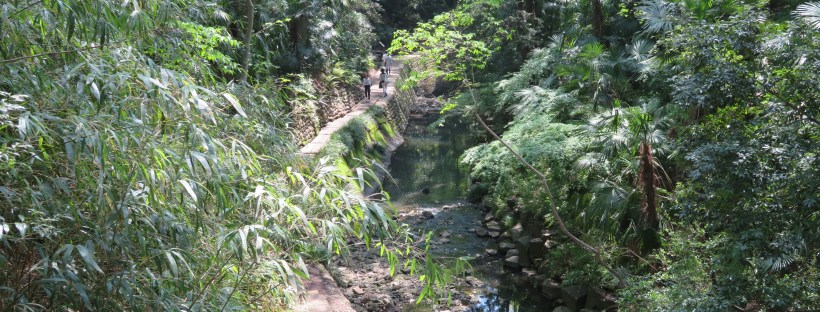
In these days of working from home and social distancing, when everyone is being discouraged from visiting crowded, poorly ventilated venues, it seems Tokyo's parks are getting even more of a work-out than usual. That's saying a lot, given the overall popularity of parks in Tokyo.  Personally, I think a lot about where I can … Continue reading Todoroki Gorge: Tokyo’s deep, green respite

General Nogi’s house – symbol of the end of an era

On September 13, 1912, shortly after the funeral cortege of the Emperor Meiji (1852-1912) left the Imperial Palace in Tokyo, General Maresuke Nogi (1849-1912) and his wife, Shizuko (1856-1912), committed ritual seppuku in the general's room of their house in Tokyo's Akasaka district, not far from the headquarters of the Japanese Imperial Army.  Although it … Continue reading General Nogi’s house – symbol of the end of an era

Origami Kaikan: a chance to explore the folds and layers of paper

It is often observed that Japan borrows ideas and technologies from various sources, adapting them to suit Japanese needs and sensibilities, essentially making them Japanese.  Paper, one of Japan's earliest borrowings from China, is no exception. Japanese paper is nothing short of amazing.  Traditional hand-made washi paper is lovely and soft; fun to make and … Continue reading Origami Kaikan: a chance to explore the folds and layers of paper