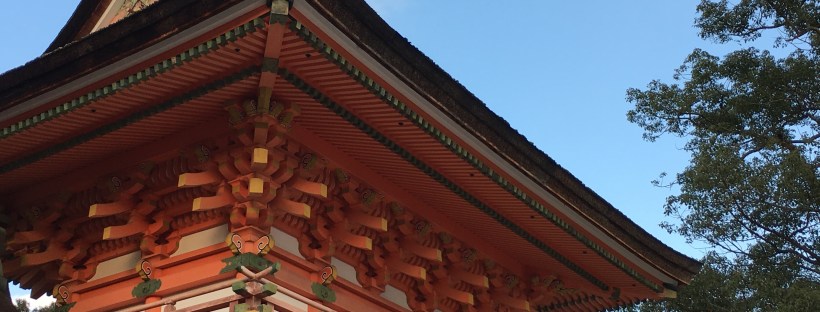
Japan has a well-deserved reputation for the colorful splendor of its autumn leaves. The only challenge to enjoying them is figuring out where to go to do so. The mountainsides in many areas become a riot of color that can be enjoyed by hikes on well-groomed trails. There are also the many magnificent gardens. And … Continue reading Autumn Enlightenment at Kyoto’s Chion-in temple
Category: Destinations
Usa Jingu: the original Hachiman shrine
There are more than 40,000 shrines across Japan that are specifically dedicated to Hachiman, the guardian god of warriors. Usa Jingu in northern Oita Prefecture is widely regarded as the oldest such shrine, with all the rest mere satellites of this parent. Hachiman is a posthumous deification of the 15th Japanese emperor, Ojin (201-312). There … Continue reading Usa Jingu: the original Hachiman shrine
Kanamaruza: the historic Kabuki theater of Kotohira
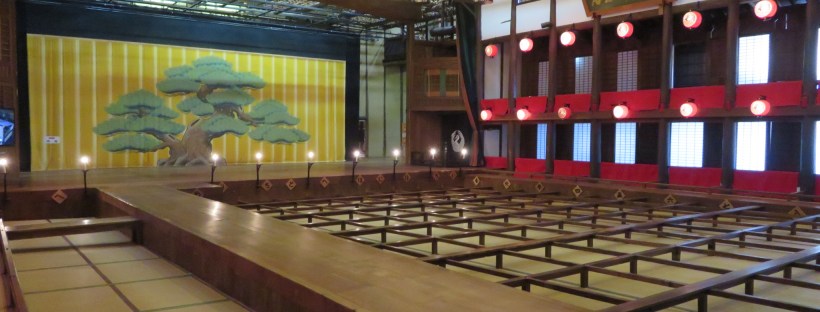
I recently blogged about Kabuki, one of Japan's more modern performing arts. Kabuki is highly entertaining wherever it is performed, but it is often said that there is nothing like seeing a Kabuki play performed in an historical theater in order to truly get the feel of the art. The trouble is, there aren't that … Continue reading Kanamaruza: the historic Kabuki theater of Kotohira
The Konya Meguri: Learning about traditional dye craft in Tokyo
This article introduces the traditional cloth dyers of northern Shinjuku-ku in Tokyo, clustered near the Kanda River since the beginning of the 20th century. Every Autumn, several dyers open their studios to public visits in a Konya Meguri (Dyer's Tour). Learn more in this article. (Archived article originally published by Japan Today.)
Kabuki: Japan’s historic theatre art
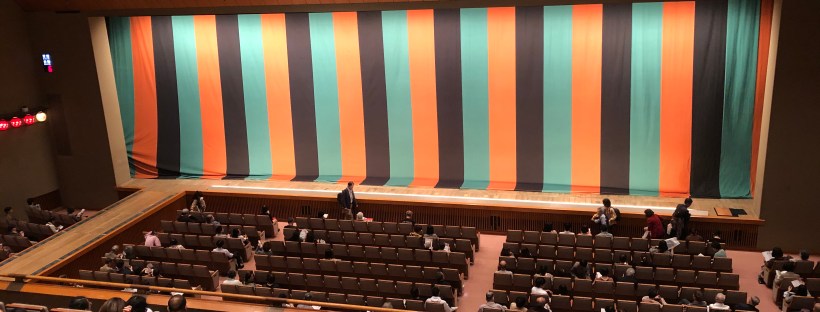
Japan has many great traditional performing arts, some with over a thousand years of history. Perhaps the best known of these is kabuki, a form of theatre developed "only" about 400 years ago. The plays involved relate-able stories, elaborate costumes and clever staging, making kabuki immediately popular across all social classes (must to the displeasure … Continue reading Kabuki: Japan’s historic theatre art
Hikone Castle: a recycled original
Hikone Castle, overlooking the eastern shore of Lake Biwa, is one of only 12 original castles in Japan. But how original is a castle said to be made largely of materials recycled from other, earlier castles? The answer is, pretty darned original. Hikone castle was completed in 1622, after nearly 20 years of construction. It … Continue reading Hikone Castle: a recycled original
The Old Shinohara Family Home: glimpse into the lives of Meiji Period merchants
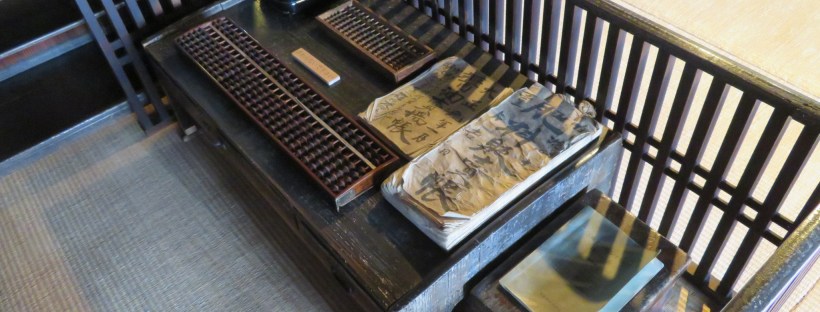
The Shinohara family of Utsunomiya were a long-established mercantile family and a visit to their beautifully-preserved home, just minutes from Utsunomiya, offers insights into how successful merchants lived, as well as into the architectural styles of late 19th century Japan. As one might expect of a large family home in this area, it is faced … Continue reading The Old Shinohara Family Home: glimpse into the lives of Meiji Period merchants
The Tokyo Stock Exchange: investment as sightseeing
I find it fun, when visiting a large city, to learn as much as possible about what drives it and what makes it tick. For a city such as Tokyo, an economic powerhouse (even after 3 decades of a relatively stagnant economy), one place to learn more is the Tokyo Stock Exchange, the heart of … Continue reading The Tokyo Stock Exchange: investment as sightseeing
Utsunomiya: A place to quarry out the history and geology of Oya stone
This article introduces sites related to Oya stone, a pumice stone quarried near Utsunomiya in Tochigi Prefecture. The stone and the sites are fascinating; its an easy place to visit as a day trip from Tokyo, or as a stopover on the way to Nikko. (Archived article originally published by Japan Today.)
Tokamachi City Museum – great on a rainy day, or when the sun shines
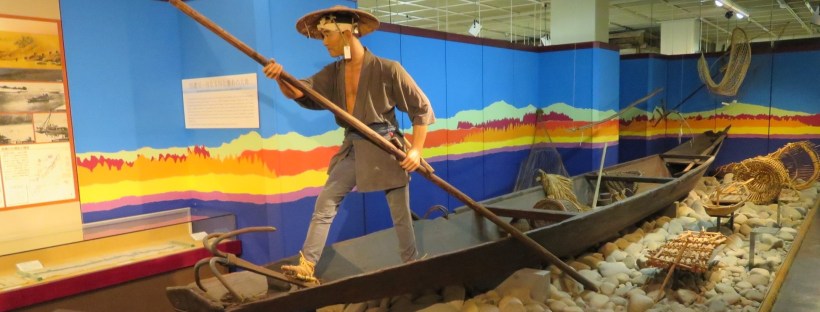
A few months ago I visited the Niigata town of Tokamachi with the intention of attending a local festival. Alas, the festival was rained out and it seemed there wasn't much to do after checking out the intriguing sculptures on the high street. Fortunately, I found that Tokamachi has a wonderful city museum that proved … Continue reading Tokamachi City Museum – great on a rainy day, or when the sun shines
Obsidian arrowheads and other Jomon archaeology
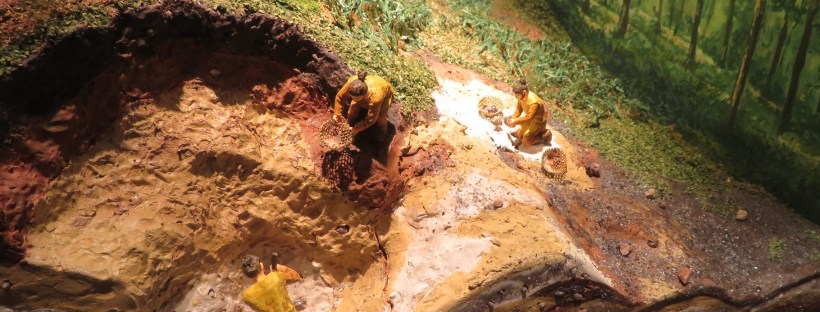
Jomon is the name given to Japan's prehistoric "stone age" period, thought to be from 30,000 to 2,500 years ago. The name means "rope marks" and derives from the markings on the pottery of the period. During this period the people of the archipelago went from simple hunter-gatherers to being users of tools, the beginnings … Continue reading Obsidian arrowheads and other Jomon archaeology
General Nogi’s house – symbol of the end of an era
On September 13, 1912, shortly after the funeral cortege of the Emperor Meiji (1852-1912) left the Imperial Palace in Tokyo, General Maresuke Nogi (1849-1912) and his wife, Shizuko (1856-1912), committed ritual seppuku in the general's room of their house in Tokyo's Akasaka district, not far from the headquarters of the Japanese Imperial Army. Although it … Continue reading General Nogi’s house – symbol of the end of an era