This article profiles Midori Okazaki, a female master sake brewer (toji) who is the head of a sake brewery in Ueda, Nagano that has been run by her family since 1665. (Archived article - Originally published by Number 1 Shimbun.)

This article profiles Midori Okazaki, a female master sake brewer (toji) who is the head of a sake brewery in Ueda, Nagano that has been run by her family since 1665. (Archived article - Originally published by Number 1 Shimbun.)
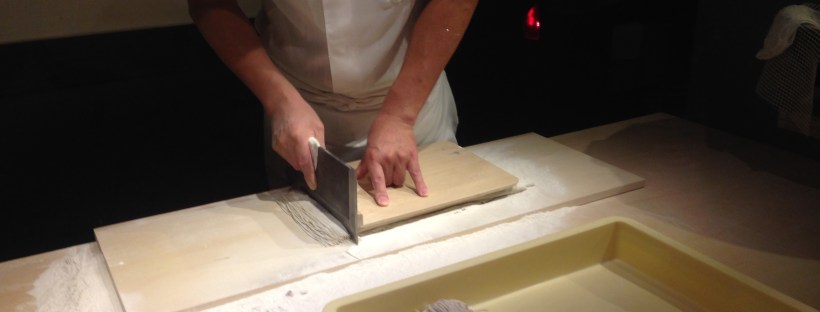
Soba, a Japanese noodle made of buckwheat, became popular in Japan during the Edo Period (1603-1868) and remains popular to this day. Frequently consumed as a snack or fast food, it can also form a complete meal. Buckwheat has been cultivated in Japan for centuries, although much of the buckwheat flour used these days is … Continue reading So many ways to eat soba!

More than half of the apples produced in Japan are grown in Aomori Prefecture at the top of Honshu, the largest island in the Japanese archipelago. That's nearly 450,000 tons of fruit coming from Aomori alone. Aomori's northern climate is particularly conducive to apple production, a fact recognized by the American missionaries who first introduced … Continue reading All things apple are in Aomori

This article introduces netsuke, a decorative accessory for traditional Japanese garments that serves a very practical purpose. These little toggles have evolved into intricate art forms crafted from various materials. (Archived article - Originally published by Japan Today.)

I remember well the first time I visited Yanaka Cemetery. It was 25 years ago and I was in Tokyo on a business trip, planning to stay over for the weekend to catch up with my graduate school roommate who was then living in Yanaka. Following her instructions, I got off the train at Nippori … Continue reading Yanaka Cemetery – seasonal serenity
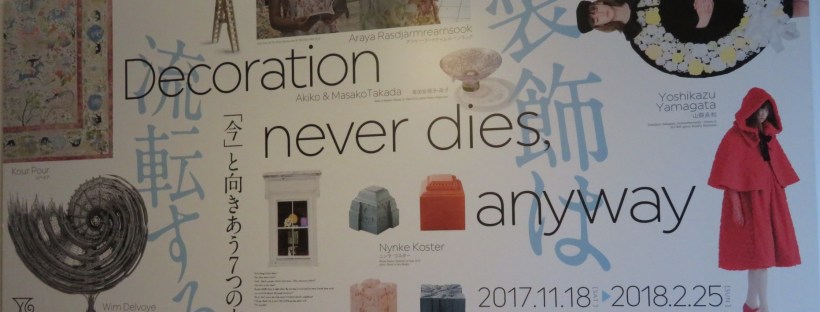
Tokyo has a few interesting older homes that are open to the public and many, many art museums. My favorite place that ticks both boxes is the Tokyo Metropolitan Teien Art Museum, colloquially known as Prince Asaka's palace, and I've written about it before. As a museum, Prince Asaka's palace sometimes closes while new exhibits … Continue reading Decoration and Art Deco
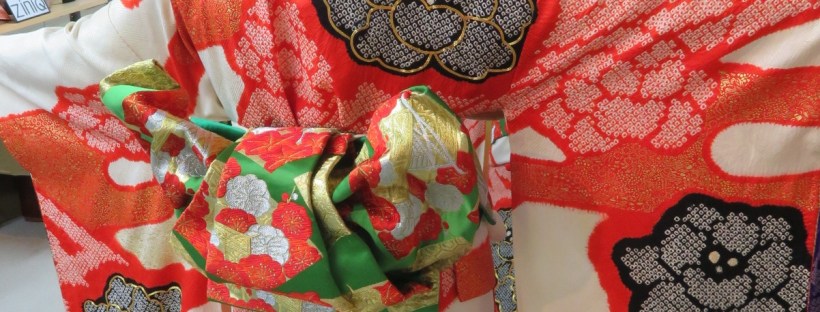
My love of kimono is really a love of the amazing fabrics used to create the garments. Traditionally silk (though inexpensive polyester versions are also available these days), the patterns on the cloth are sometimes woven in, sometimes stamped or hand painted on, sometimes embroidered, and sometimes dyed. Some very complex designs are a combination … Continue reading A Dyeing Art: Kyoto-style Shibori

This article describes two special features of north central Tokyo: Rikugien Garden and Toyo Bunko Oriental Library. Autumn leaves and nighttime illumination make late November an especially good time to visit Rikugien and a special Marco Polo exhibition at nearby Toyo Bunko is also a great experience. (Archived article – Originally published by Japan Today.)

In spite of the excessive and unseasonable rain these days, there are still plenty of opportunities to enjoy autumn leaves, especially in the clear skies immediately after a storm. A mountain with a cable car to whisk you much of the way up, enjoying the leaves beneath you as you climb, and nice trails once … Continue reading Marunuma Kogen: Altitude and Autumn Leaves
Iwate Prefecture in Japan's Tohoku (northeast) region is a beautiful and diverse area with much to recommend it to the intrepid tourist. Not long ago we were travelling the countryside between Hiraizumi in the interior and Ofunato, one of Iwate's coastal cities hard-hit by the 2011 earthquake/tsunami disaster, and decided to make a stop at … Continue reading Iwate Off the Beaten Track

I find the Ikegami area of Tokyo historically fascinating and generally interesting as a microcosm of residential Tokyo. I’ve written elsewhere about the neighborhood and about the o-eshiki ceremony that commemorates the life and death of the Buddhist saint, Nichiren (1222-1282) every year on the night of October 12. But this year, I was privileged … Continue reading An inside look at the O-eshiki commemoration of Saint Nichiren
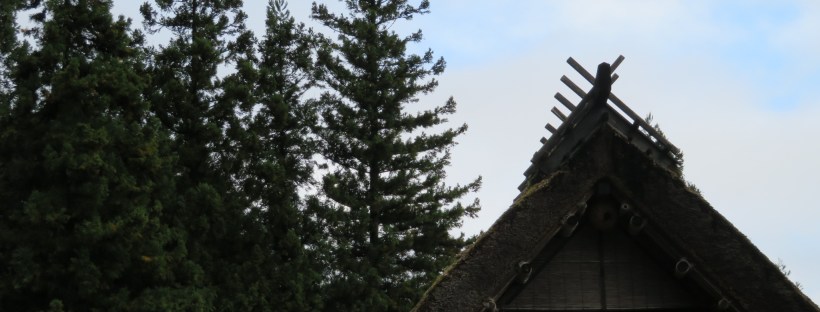
While sericulture was first developed in China about 4,500 years ago, Japan has also been producing silk since around the third century. Silk's heyday in Japan was during the Meiji Period (1868-1912), when it became one of Japan's first industrially mass-produced export products. The center of Japan's silk industry has long been Gunma Prefecture, which … Continue reading The Tomizawa Family Farmhouse – late 18th century “cottage industry”

