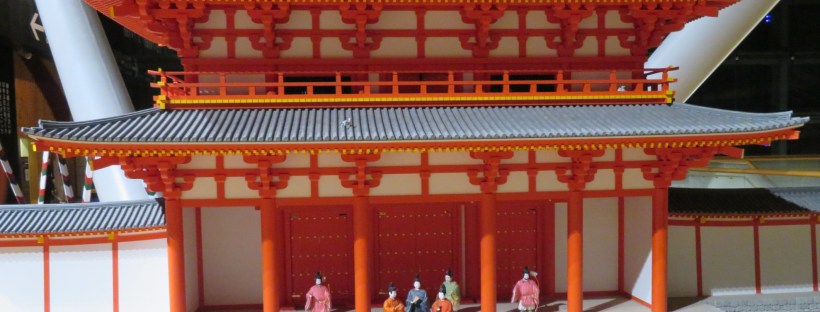
The late nineteenth/early twentieth century in Japan was a time when kabuki as an art form was liberalized, becoming more popular than ever. As a result, many communities built their own theaters. By the end of the Meiji Period (1868-1912) there were between four and five thousand such theaters across Japan. Only a few have … Continue reading Yachiyo-za Theater: jewel in the crown of Yamaga
Category: Destinations
Aloe Vera and Goats: an interesting symbiosis
During the Age of Discovery, Europeans sailed the world. Their ships often carried goats, which provided fresh milk and meat. Sailors often left a few goats on desert islands where they stopped for fresh water. These were intended to provide a means of sustenance for future shipwrecked sailors. Thus goats and islands have an historical … Continue reading Aloe Vera and Goats: an interesting symbiosis
The seven lucky gods of Fukagawa: Ensuring a good year to come
This article describes a seven lucky gods pilgrimage, a short walk popular in the New Year's season as a means to secure good fortune for the new year, something most of us especially want for 2021! The walk is an easy distance (less than 5 km.) and goes through one of Tokyo's oldest neighborhoods. (Archived … Continue reading The seven lucky gods of Fukagawa: Ensuring a good year to come
Historical transit port Hizen Hamashuku
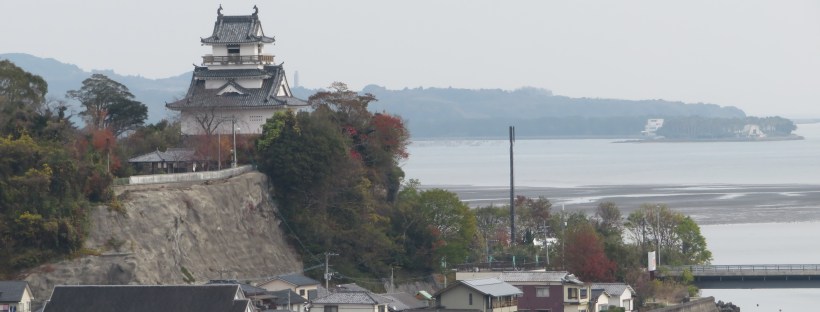
While Japan was fundamentally closed to the outside world during the Edo Period (1603-1868), it still maintained a robust domestic economy. This economy was largely centered on agricultural production that led to production of secondary food products all of which fed the entire nation, allowing other economic activity also to flourish. Central to all this … Continue reading Historical transit port Hizen Hamashuku
The Streets of Kochi: So Many Personalities
This article describes a number of fun and interesting features of the city of Kochi, on the Pacific coast of Shikoku island. (Archived article originally published by Tokyo Weekender)
Earthquake Heritage Taro Kanko Hotel: reminder of tragedy
Just off the main highway in the fishing port town of Taro, north of Miyako in Iwate Prefecture, stands a curious, derelict-looking building. Derelict buildings are not particularly unusual in Japan, but in this area, which was flooded by the tsunami of March 11, 2011, most buildings are new; their predecessors either destroyed by the … Continue reading Earthquake Heritage Taro Kanko Hotel: reminder of tragedy
Ryusendo: The cave of the dragon’s spring
Ryusendo, one of the three largest limestone caves in Japan, sits in the mountains of Iwaizumi, less than 15 kilometers from the Pacific Coast of Iwate Prefecture. An underground river pours out of the mouth of the cave, perhaps leading to its name, "cave of the dragon's spring". It is a designated National Natural Treasure, … Continue reading Ryusendo: The cave of the dragon’s spring
Sightseeing in Post-disaster Iwate’s Miyako: Tragedy and Natural Beauty Together
This article features the town of Miyako in Iwate Prefecture, in an area badly hit by the earthquake/tsunami 9+ years ago. Reconstruction is ongoing and "disaster tourists" will find interesting remnants of that sad day. The natural beauty of the coast seems to have bounced back more quickly than humans have, so there is beautiful … Continue reading Sightseeing in Post-disaster Iwate’s Miyako: Tragedy and Natural Beauty Together
Nakatsu Gorge: strength of stone versus power of water
Mountainous Japan is home to many spectacular gorges; deep narrow valleys through which tumble fast flowing rivers. Among these, Kochi Prefecture's Nakatsu Gorge is dramatic, scenic and inspiring, yet relatively easy to access. The mountains and valleys of Kochi tend to feel higher and steeper than mountains in other parts of Japan and the Niyodo … Continue reading Nakatsu Gorge: strength of stone versus power of water
Iriomote Idyll: Enjoying a Remote Island Paradise
This article takes readers to Iriomote, the second largest island in Okinawa Prefecture and a sparsely populated land of jungles, waterfalls and beaches. (Archived article originally published by Japan Today)
A closer look at some work of manga master Tezuka Osamu
Manga and anime are features of modern Japanese culture that have become popular worldwide. Many visitors to Japan seek out the manga culture and even actual places associated with manga, in a sense, seeking to bring the manga to life. While manga have been around as an art form since the late 19th century, arguably … Continue reading A closer look at some work of manga master Tezuka Osamu
Kamata: Tokyo’s Multi-Ethnic Shitamachi
This pair of articles in Tokyo Weekender provides an exploration of an interesting working class neighborhood with a wide variety of ethnic features. Part I - Kamata: Tokyo's Multi-Ethnic ShitamachiPart II - Dining in Kamata: A Culinary World Tour in Tokyo's Multi-Ethnic Shitamachi