Japan's "Kofun Period", from the 2nd century to the 7th century, is named for the tumulus burial mounds that characterize it. Of the 30,000 tumuli extant in Japan, some 750 are believed to contain the remains of emperors or members of the imperial family. Most of the others were used for local chieftains or other … Continue reading Where the bodies are buried: Kofun burial mounds along the Tama River
Category: Kanto
A Walk in the Rain: Exploring the Ota-ku suburbs
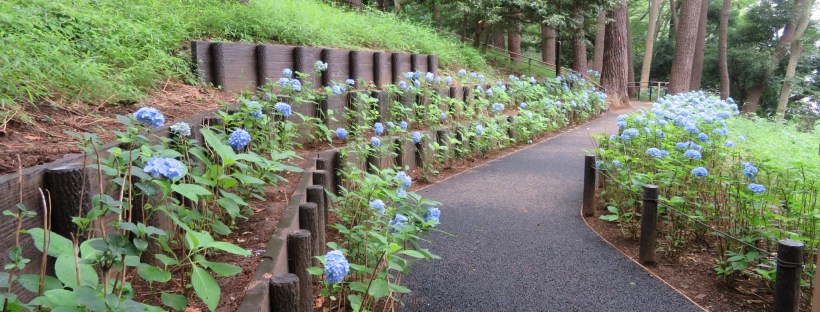
The bright lights of the big city that is Tokyo so dominate that it is easy to forget that Tokyo also has a number of fascinating suburban neighborhoods worthy of exploration. In search of the last of the hydrangeas that are so prolific this time of year, I thought I'd take a half-day walk through … Continue reading A Walk in the Rain: Exploring the Ota-ku suburbs
Early summer exploration in Saitama
Saitama is often considered just a "bedroom" of Tokyo, but it has much to recommend it to tourists and day trippers, especially in its western reaches. This is an especially good time of year to explore one little corner of the Sayama area of Tokorozawa--the area around Seibukyujo-mae station. Throughout the summer, this is a … Continue reading Early summer exploration in Saitama
Moriya: History, Countryside, Beer and Bath
Ibaraki, though not far from Tokyo, is not widely regarded as a destination for international tourists. Yet it can be quite rewarding to get off the beaten track to explore "real" Japan. Moriya, just 30-some minutes from Akihabara on the Tsukuba Express, is a great example. Here, in a day trip from Tokyo, the intrepid … Continue reading Moriya: History, Countryside, Beer and Bath
Hiking the Hills of Kamakura: a spring day’s walk from Kita-Kamakura to Hase
Kamakura, less than an hour by train from Tokyo, is a popular day tripper destination because of its abundance of things to see and do. A city built in finger valleys radiating from a small bay, one of its many fascinating features is the hiking trails that connect the different valleys. Recently a few friends … Continue reading Hiking the Hills of Kamakura: a spring day’s walk from Kita-Kamakura to Hase
Amazing Azaleas
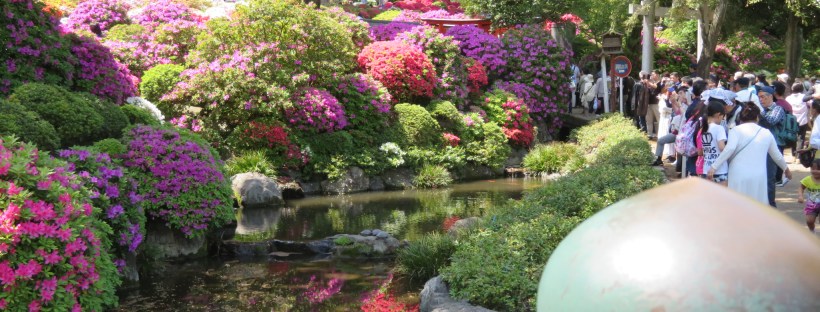
Little remains of Japan's famous cherry blossoms except a few pale pink petals caught by the wind and swirling in the gutter. But as I watch these petals dance, in the corner of my eye I catch sight of a burst of color--a vivid shade of magenta smiling at me from the hedge that divides … Continue reading Amazing Azaleas
A traditional river crossing…and meandering old neighborhoods
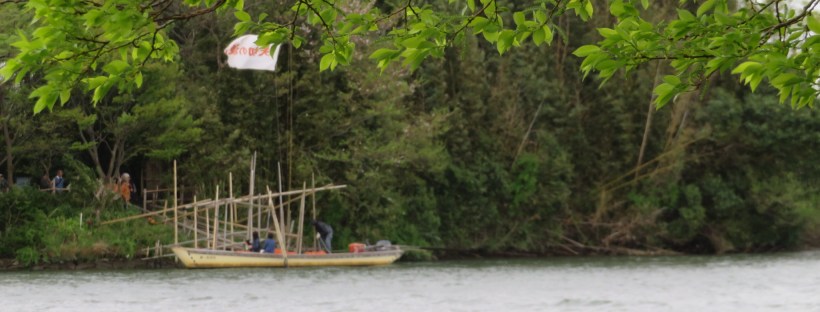
In the opening scene of the 1968 movie, "Admiral Yamamoto", starring the great Mifune Toshiro, Yamamoto is being ferried across a river in his hometown and is challenged by the boatman to make the crossing standing on his head, thereby demonstrating his superior balance and seamanship. Perhaps because I know there was a time in … Continue reading A traditional river crossing…and meandering old neighborhoods
Looking for the sweet edges of Harajuku
By special guest blogger: Oliver Trapnell Harajuku is a popular Tokyo neighbourhood. So much so that many might conclude that it is a guaranteed tourist trap, luring us into the packed, pop-idol lifestyle that permeates the area. More than often than not, a visitor here can end up being swept along Takeshita Street by the … Continue reading Looking for the sweet edges of Harajuku
Nihonga: Distinctly Japanese Modern Art
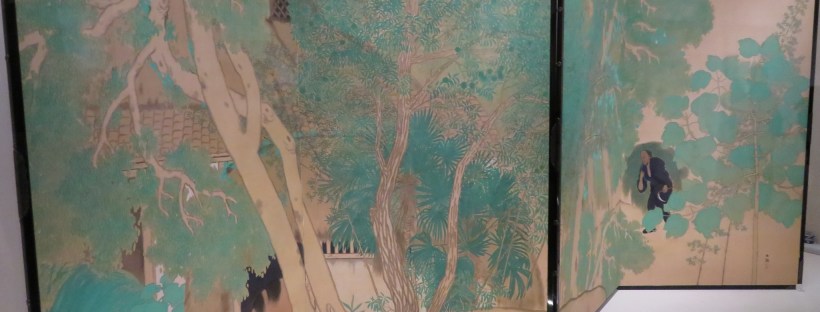
"Modern" Japan dates from the Meiji Restoration of 1868. During the reign of the Emperor Meiji (1868-1912), Japan modernized and Westernized. This transformation included not only Japan's political, economic, and education systems, but also various aspects of fine arts. With respect to the latter, many feared that Japan's cultural identity might be lost in the … Continue reading Nihonga: Distinctly Japanese Modern Art
The colors of Ko-Imari: it’s all about the glaze
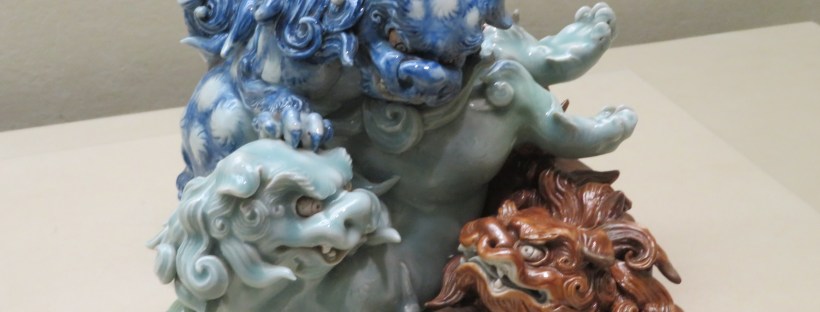
Stepping into the latest exhibition at Shibuya's Toguri Museum of Art, I felt as if I was in heaven. The exhibition, entitled "Beautiful Glazes in Ko-Imari Ware", features the glazes used on Ko-Imari ware, some of Japan's earliest refined porcelains, dating back to the 17th century. The pieces on display are exquisite. It was refugee … Continue reading The colors of Ko-Imari: it’s all about the glaze
Nokogiriyama – stepping it up on Sawtooth Mountain
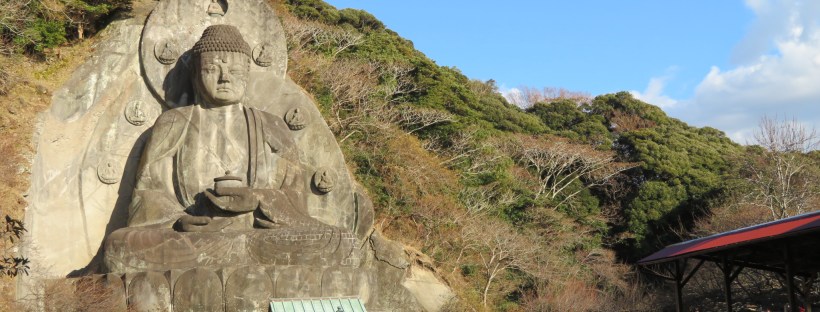
Old stone quarries are fascinating places to explore. They are full of man-made shapes and angles that nature is working to reclaim. At Nokogiriyama (lit. Sawtooth Mountain) in Chiba--a perfect distance for a day trip from Tokyo--, part of the mountain was quarried away over several decades, leaving lots of fun nooks and crannies to … Continue reading Nokogiriyama – stepping it up on Sawtooth Mountain
Hashigo-nori (ladder-top acrobatics) at Ikegami Honmonji
Old Edo was a firetrap. One and two-story structures, made mostly of wood, straw and paper, standing cheek-by-jowl with the neighbors, with everyone cooking and heating with open fires or charcoal braziers. Any little fire quickly got out of control and equally quickly spread to neighboring structures. Major fires were so common in the Edo … Continue reading Hashigo-nori (ladder-top acrobatics) at Ikegami Honmonji