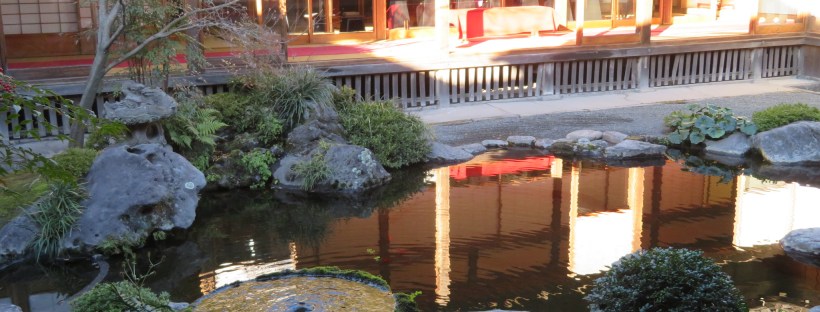
Gunma Prefecture, some 100 kilometers north of Tokyo, has centuries of history as a silk producing area in Japan. One particular sign that you're in an area where silkworms were once raised are the rooftops of old farm houses, that have one or more raised sections along the ridgepole of the roof, a structure that … Continue reading Takayama-sha: developing the art and science of sericulture
Category: Japan World Heritage
A Goto Island of Quarantine: the perfect place to hide
Since everyone is thinking quarantine, isolation and hiding away these days, I thought it might be appropriate for this month's travel article to be about a place in where such things happened in the past. Enjoy this as "armchair travel" now, and perhaps get there yourself sometime in the future. (Archived article originally published by … Continue reading A Goto Island of Quarantine: the perfect place to hide
Sakitsu: a remote Amakusa port where Christians once concealed themselves
On the west coast of Shimoshima, the largest of the Amakusa Islands of Kyushu, is a large bay known as Yokaku Bay. Because of its location on the East China Sea, the bay, and particularly the town of Sakitsu in a small, but deep, harbor on the north shore, has a centuries-long history as a … Continue reading Sakitsu: a remote Amakusa port where Christians once concealed themselves
Sengan-en and Shuseikan: Exploring samurai values and industrialization
This article introduces a fascinating historical site in Kagoshima. The site is an interesting blend of the lifestyle of samurai lords and some of Japan's earliest attempts at industrialization. Learn more in this article. (Archived article originally published by Japan Today.)
Gunkanjima: an abandoned coal mining town like no other
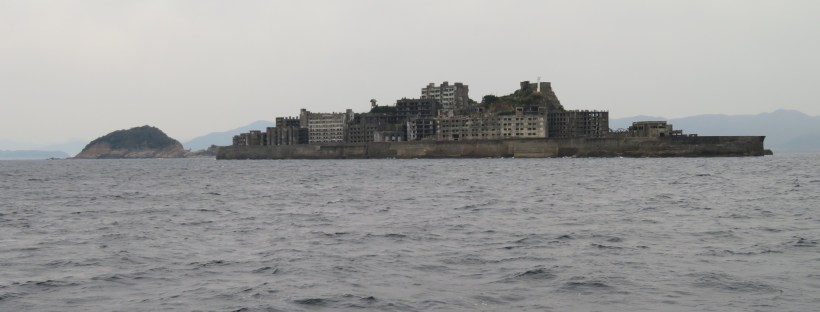
Students of Japan's modern industrial history may have heard of Gunkanjima. Fans of James Bond movies may recognize it as villain Raoul Silva's abandoned island hideout in Skyfall. Whatever it is, it sure is different! Gunkanjima's real name is Hashima. Coal was discovered on Hashima, a rocky outcrop some 4.5 kilometers west of Nagasaki Peninsula, … Continue reading Gunkanjima: an abandoned coal mining town like no other
Kanamaruza: the historic Kabuki theater of Kotohira
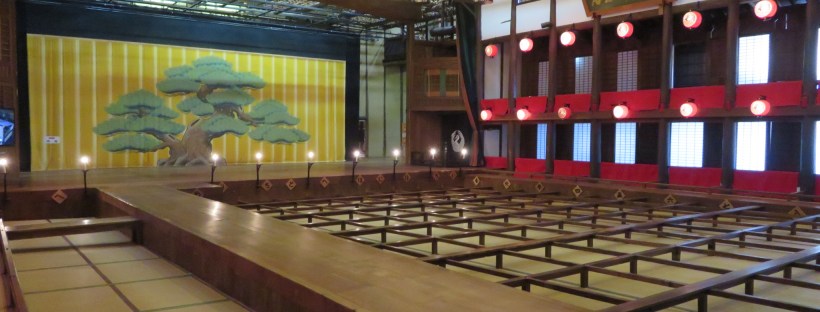
I recently blogged about Kabuki, one of Japan's more modern performing arts. Kabuki is highly entertaining wherever it is performed, but it is often said that there is nothing like seeing a Kabuki play performed in an historical theater in order to truly get the feel of the art. The trouble is, there aren't that … Continue reading Kanamaruza: the historic Kabuki theater of Kotohira
Kabuki: Japan’s historic theatre art
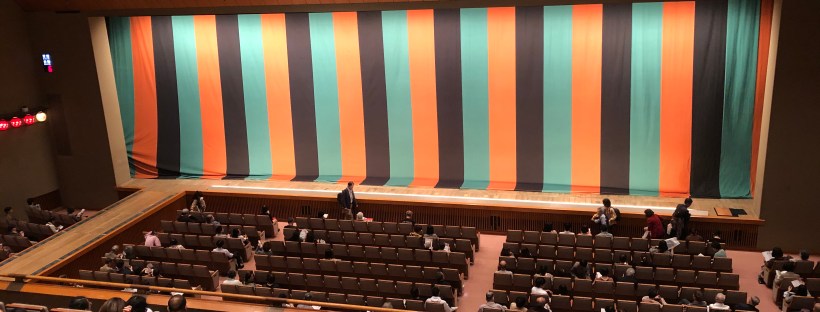
Japan has many great traditional performing arts, some with over a thousand years of history. Perhaps the best known of these is kabuki, a form of theatre developed "only" about 400 years ago. The plays involved relate-able stories, elaborate costumes and clever staging, making kabuki immediately popular across all social classes (must to the displeasure … Continue reading Kabuki: Japan’s historic theatre art
Shuri Castle on a rainy day
Okinawa is Japan's tropical paradise: sun, sand and palm trees. It's also one of Japan's rainiest places. Tourists can easily find themselves caught in a cloudburst...or days of rain when there's a typhoon in the vicinity. But the intrepid tourist needn't to be deterred by a little precipitation (typhoons, of course, are another matter). When … Continue reading Shuri Castle on a rainy day
The Miho pines and the legend of the Hagoromo
Near Shimizu in Shizuoka Prefecture there is a spit of land extending into Suruga Bay that forms Shimizu Harbor. Known as Miho, the end of the spit was once its own island, but over centuries, silt has done its job to connect the island to the mainland and form the spit. On the outside of … Continue reading The Miho pines and the legend of the Hagoromo
Exploring early industrialization in Izu
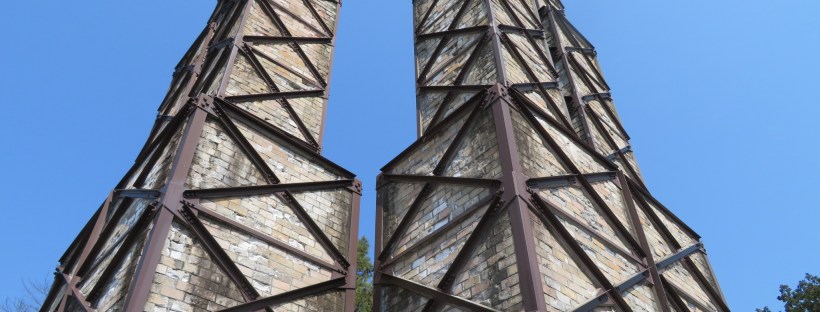
Japan's rapid industrialization during the Meiji Period (1868-1912), when the country was re-opened to international trade after more than 250 years of isolation, was nothing short of remarkable. The various achievements of the period were recognized by UNESCO in 2015 when it listed 23 components at 11 sites as "Sites of Japan's Meiji Industrial Revolution: … Continue reading Exploring early industrialization in Izu
Silence: On the trail of Japan’s Hidden Christians
Earlier this week I was privileged to attend a Tokyo preview screening of Silence, Martin Scorsese's film adaptation of Shusaku Endo's 1966 novel. I had read the novel more than 30 years ago and am pleased to see it brought to life relatively faithfully. The story centers on a fictitious 17th century Jesuit priest, Father … Continue reading Silence: On the trail of Japan’s Hidden Christians
Magic at midnight: Seeing in the new year Japanese style
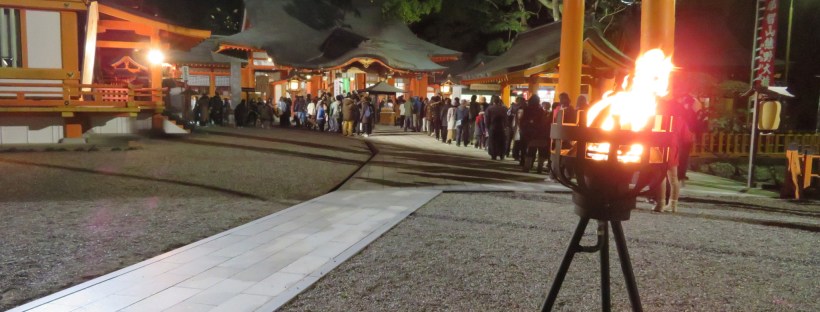
It is a few seconds past midnight. The temple bell rings once, its low sonorous tone echoing across the heads of the people in the crowd gathered at the foot of the belfry. The priest who had rung the bell steps out of the belfry, bows to the crowd and says "akemashite omedeto gozaimasu" (happy … Continue reading Magic at midnight: Seeing in the new year Japanese style