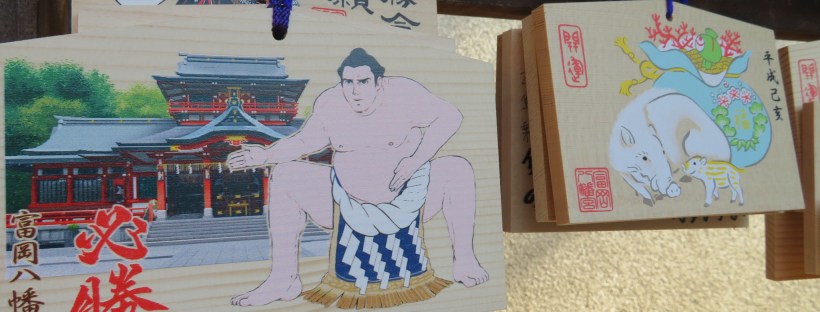
Tomioka Hachiman Shrine sits in the historic Fukagawa district of Tokyo, a neighborhood that developed and flourished during the Tokugawa shogunate (1602-1868) when Tokyo was known as Edo. Indeed, the history of the shrine, founded in 1627, is inextricably tied to that of Edo. Edo began its life as a fishing village wedged between rivers … Continue reading Tomioka Hachiman Shrine: conflicts, cartography, and other “stuff”
Category: Japanese festivals
The Tamagawa Seven Lucky Gods: a bit of local luck
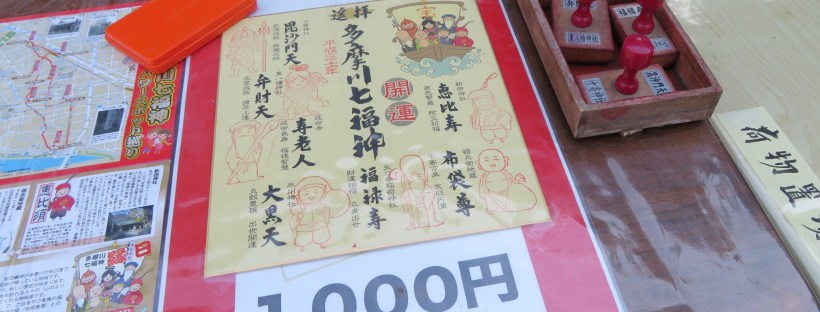
New Year's Day 2019 in Tokyo dawned clear and relatively warm (high of 11C/52F), perfect weather for getting out for a little excursion in search of some luck for the new year. My favorite such activity is a seven lucky gods pilgrimage. It is said that the seven lucky gods sail into harbor on new … Continue reading The Tamagawa Seven Lucky Gods: a bit of local luck
Jiyugaoka’s Kumano Shrine festival – celebrating the harvest
Jiyugaoka has a reputation for being a trendy area to shop, dine and relax with friends. Its narrow brick or stone-paved laneways lined with shops and eateries are inviting to pedestrians. One could spend hours meandering here. This week-end (September 1-2, 2018), however, suburban Jiyugaoka returns to its agrarian roots as its local shrine celebrates … Continue reading Jiyugaoka’s Kumano Shrine festival – celebrating the harvest
Lanterns and dancing: the Anamori Inari Lantern Festival
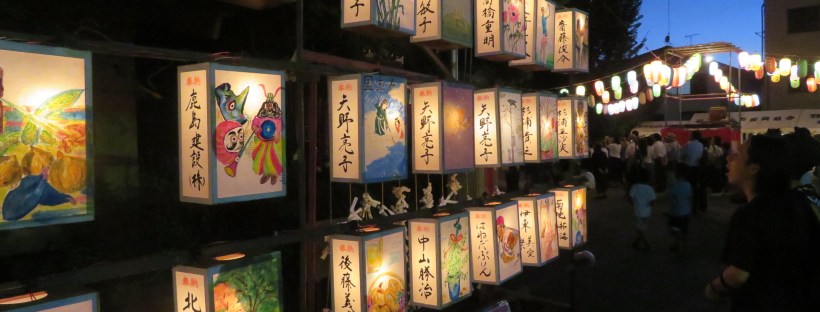
The moon is full, the night is balmy, and you just wanna kick up your heels and dance! Maybe that sentiment explains the origins of the Anamori Inari Lantern Festival taking place this weekend at Anamori Inari Shrine near Haneda Airport. There is still time to join the Saturday night portion of the festival, or … Continue reading Lanterns and dancing: the Anamori Inari Lantern Festival
Koinobori: symbols of strength, courage, and perseverance
I was recently talking to a friend about Japanese baseball teams and, as Americans, we were both puzzled by Hiroshima's mascot of carp. It seemed to us a bit...well, floppy. Neither of us could fathom why a baseball team would choose a slippery, silvery, floppy fish as its symbol. Then we put on our cultural … Continue reading Koinobori: symbols of strength, courage, and perseverance
Hagi’s Camellia Festival – a celebration of the Rose of Winter
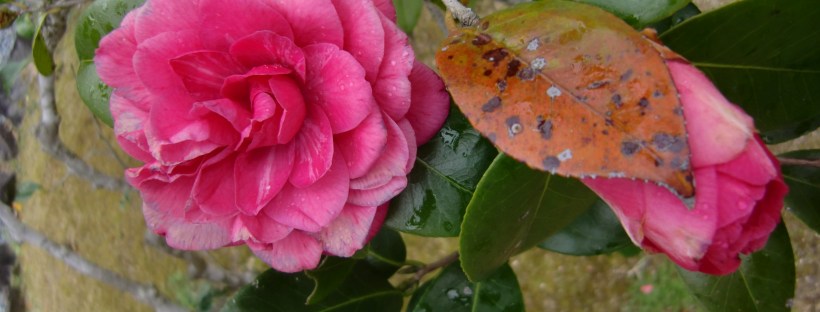
It's called the "Rose of Winter", and with good reason. Tsubaki, Japanese camellia, blooms most prolifically from January to early April. One great place to enjoy these blooms is the Hagi Camellia Festival (February 17, 2018-March 21, 2018). Hagi is an old castle town on the Japan Sea coast of Yamaguchi Prefecture. It is particularly … Continue reading Hagi’s Camellia Festival – a celebration of the Rose of Winter
Good fortune is child’s play at the Asakusa Hagoita Ichi
In traditional Japan there are many rituals observed relating to seeing out the old year and successfully bringing in the new one. Sometimes these rituals, most of which occur in December, also involve acquiring “lucky charms” of various sorts. Asakusa, a venerable Tokyo neighbourhood known for its efforts to preserve traditions, is a particularly good … Continue reading Good fortune is child’s play at the Asakusa Hagoita Ichi
An inside look at the O-eshiki commemoration of Saint Nichiren
I find the Ikegami area of Tokyo historically fascinating and generally interesting as a microcosm of residential Tokyo. I’ve written elsewhere about the neighborhood and about the o-eshiki ceremony that commemorates the life and death of the Buddhist saint, Nichiren (1222-1282) every year on the night of October 12. But this year, I was privileged … Continue reading An inside look at the O-eshiki commemoration of Saint Nichiren
Shinagawa celebrates its Edo Period roots
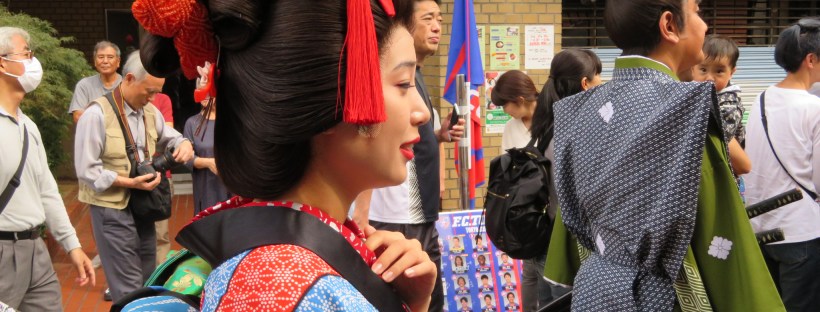
In modern day Tokyo, Shinagawa is a neighborhood considered quite central in the city. But during the Edo Period, Shinagawa was outside the Edo city limits. It was a "post-town" on the Tokaido Road that connected Edo (modern Tokyo) to Kyoto. There were 53 such post-towns on the Tokaido--places where travellers on the road could … Continue reading Shinagawa celebrates its Edo Period roots
The Miho pines and the legend of the Hagoromo
Near Shimizu in Shizuoka Prefecture there is a spit of land extending into Suruga Bay that forms Shimizu Harbor. Known as Miho, the end of the spit was once its own island, but over centuries, silt has done its job to connect the island to the mainland and form the spit. On the outside of … Continue reading The Miho pines and the legend of the Hagoromo
Sekigahara: New movie brings the battle, and the battlefield, to life
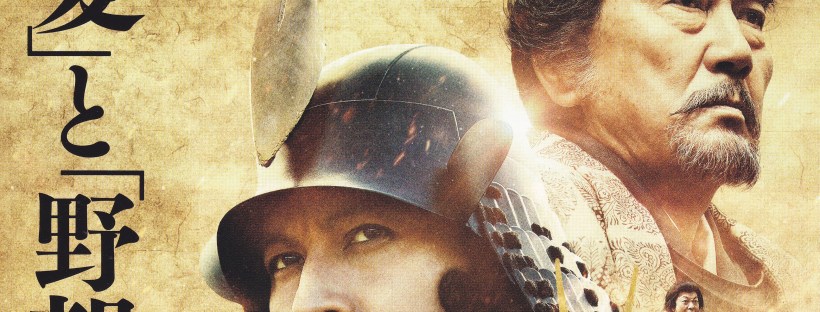
This article is a combination movie review and travel piece, looking at both the new release movie "Sekigahara" and the Sekigahara battlefield in Gifu Prefecture. Both deserve attention. Readers in Tokyo, note especially the screenings of the movie with English subtitles during the first week of its release. (Archived article - Originally published by Japan … Continue reading Sekigahara: New movie brings the battle, and the battlefield, to life
Haneda Festival: traditional fishermen’s prayers in the shadow of jets
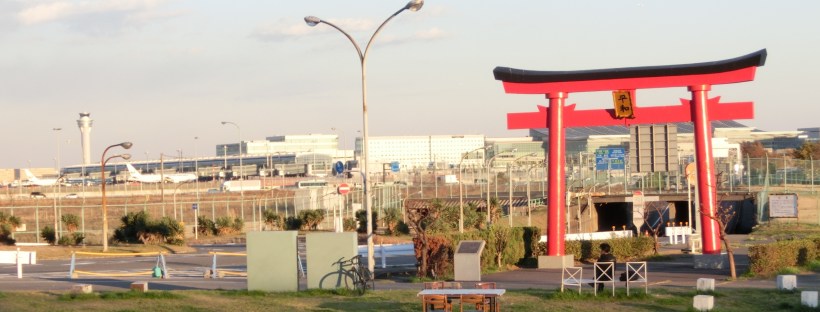
One of the best things about being in Japan in the summer is the various neighborhood festivals. Depending on the neighborhood and its guardian shrine, the festival can take place any time of the year, but summer seems to be the most popular season. Historically, Haneda, the neighborhood just north of the mouth of the … Continue reading Haneda Festival: traditional fishermen’s prayers in the shadow of jets